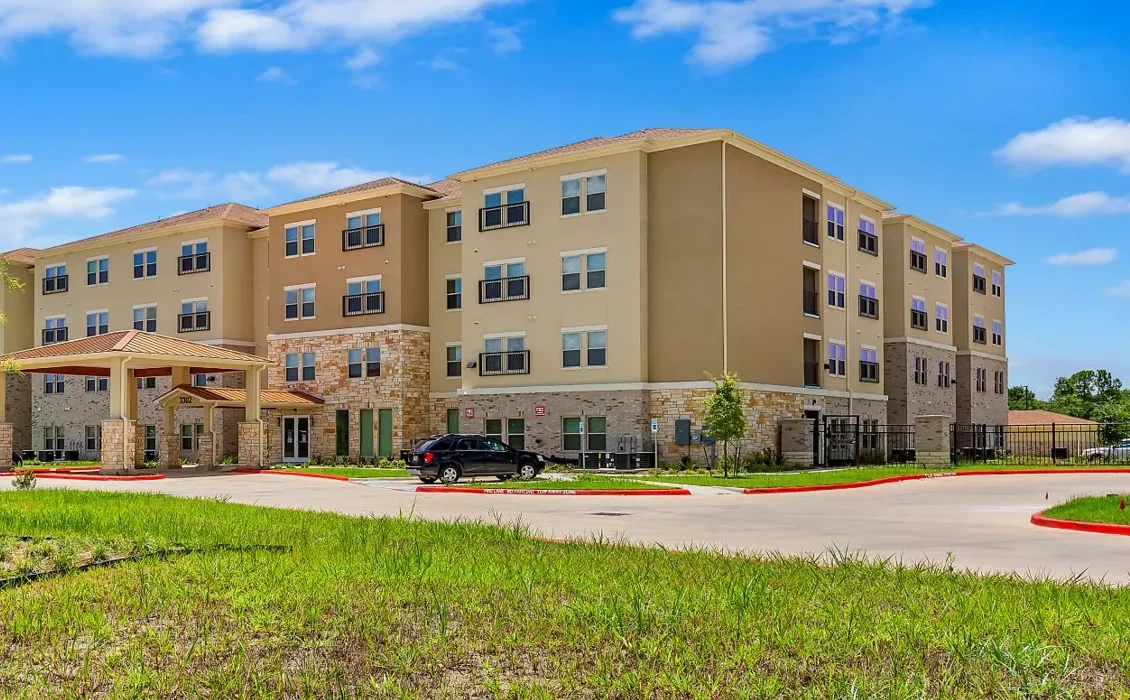
Senior Living Roofing in Thousand Oaks, CA
Property Types We Roof · Thousand Oaks, CA
Finding, assisted living wing, courtyard side: a flat section over the shared dining room holds water two days after rain, a rubbed-through patch sits beside the kitchen exhaust fan, and a ceiling tile above the activity room has been replaced twice. For a senior living community that finding is a scheduling problem as much as a roofing one, because the people underneath rest during the day, take medication on a fixed timetable and cannot be moved to another floor while a crew works overhead. We inspect senior living roofs in Thousand Oaks, CA and write the results so an operations director and a capital committee can both use them: which sections have years left, which are drifting toward replacement, and how each option changes the daily routine of the building. The aim is a replacement horizon that is set on purpose, not forced by a wet winter.
Senior Living Roofing
Property Types We Roof
Call our team
Written findings and options
Thousand Oaks, CA
Ventura and Los Angeles counties
Residents: rest, routine and the sound of a roof crew
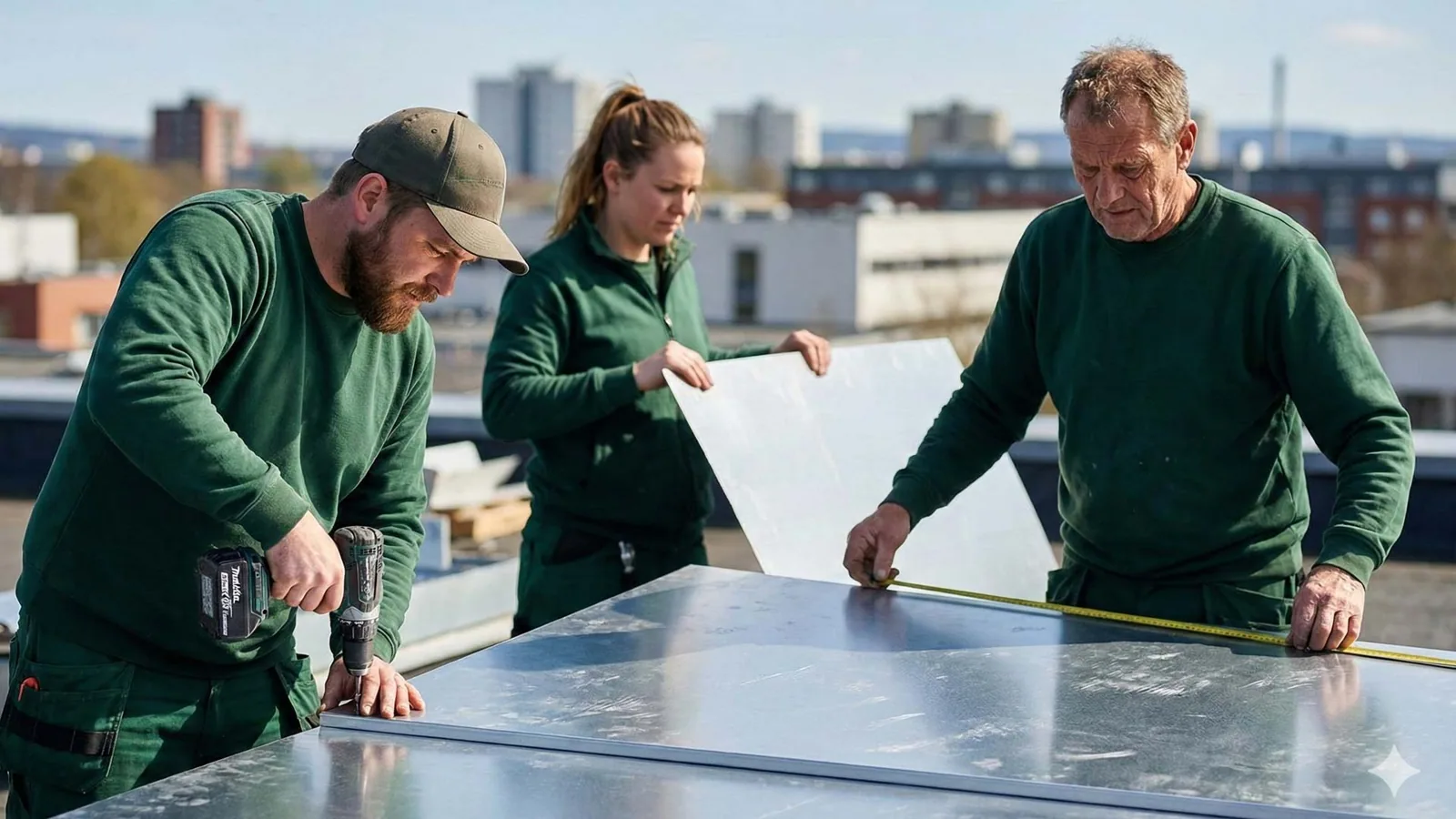
Roofing is loud and visible, and a senior living community feels both more than most buildings. Residents rest in the afternoon, some live with memory loss and react poorly to sudden noise and unfamiliar faces, and family visits fall in the very hours a crew would like to be working. We plan around that by working one wing at a time, holding tear-off, drilling and hoisting to the hours the activities director marks as workable, and keeping staging, dumpsters and material lifts away from entrances, walkways and the van pick-up lane.
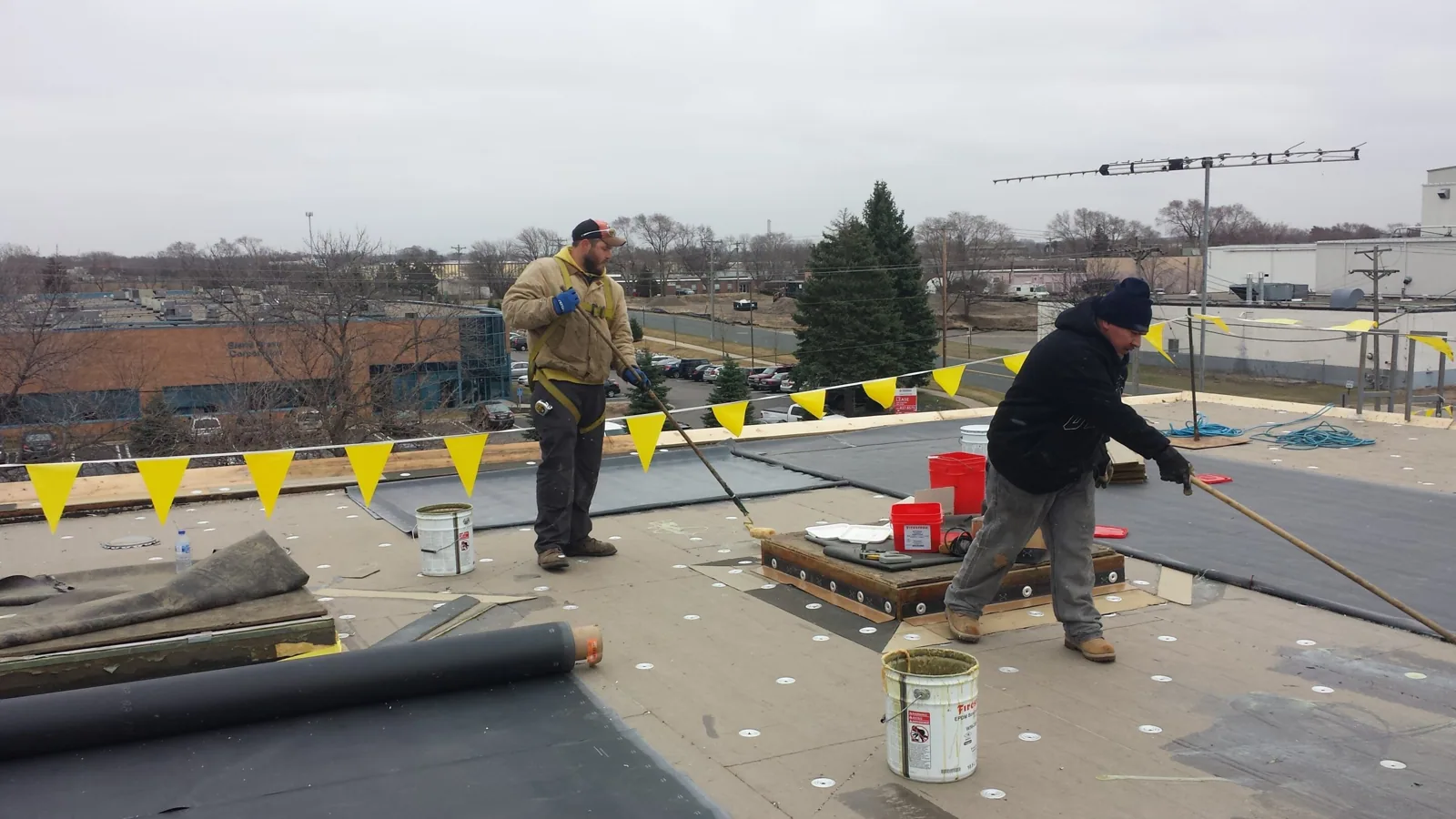
Odor is the other half of the problem. Adhesives, primers and some coatings give off fumes that a rooftop air intake will pull straight into a corridor, so we locate every intake before the first day and then shield it, shut it down on a schedule agreed with the maintenance lead, or choose a lower-odor attachment method. The occupied building reroofing sequence we follow gives staff a written daily plan, and the community decides what to tell residents and families with our schedule in hand.
Heat: cooling plants carrying the afternoon
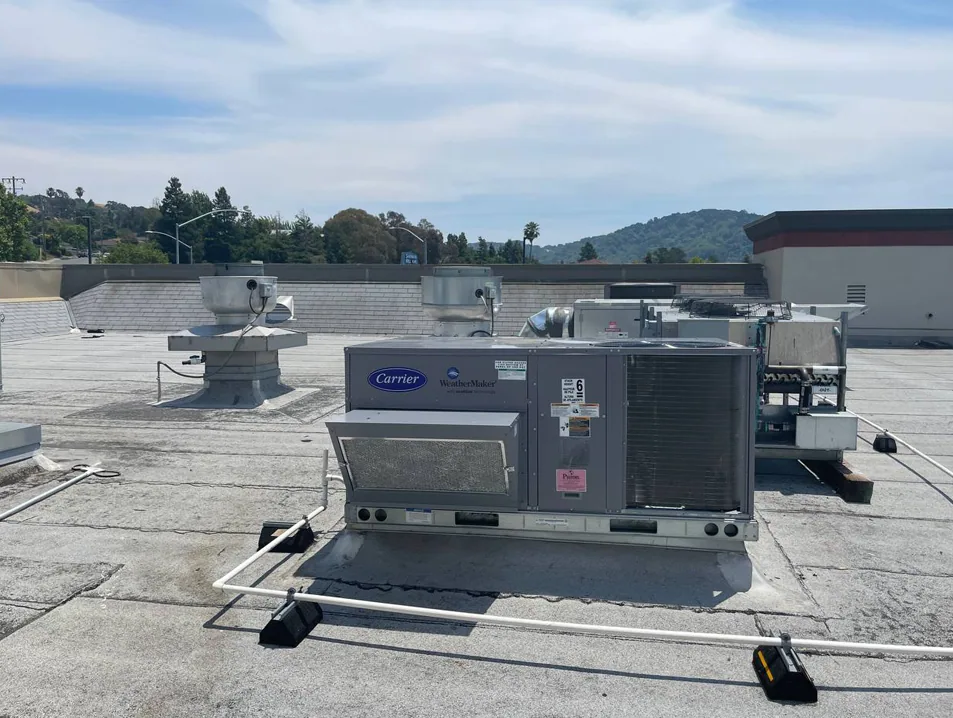
A senior living building cannot let its cooling fail, so the rooftop equipment runs hard through every warm stretch. Summer days in the Conejo Valley typically sit in the 70s to 80s Fahrenheit, yet heat events are real: the weather service office that covers Los Angeles and Oxnard has put Extreme Heat Warnings over the coastal and valley zones of both counties, and Woodland Hills touched 121 F in September 2020, a Los Angeles County record. Sustained heat pushes membrane surface temperatures well above the air temperature while package units cycle without pause. The result shows up as UV degradation on the south and west slopes, crazing around the equipment, and worn paths where technicians walk to reach it.
Our findings record all of it. We log which equipment curbs and supports have failing flashing, where walk pads are missing and where condensate lines spill onto the membrane. The remaining service life of a heat-stressed section is usually shorter than the building's books assume, and the heat and UV roof damage we find is the clearest evidence for moving a replacement date forward.
Fire: embers, ash and residents who need help moving
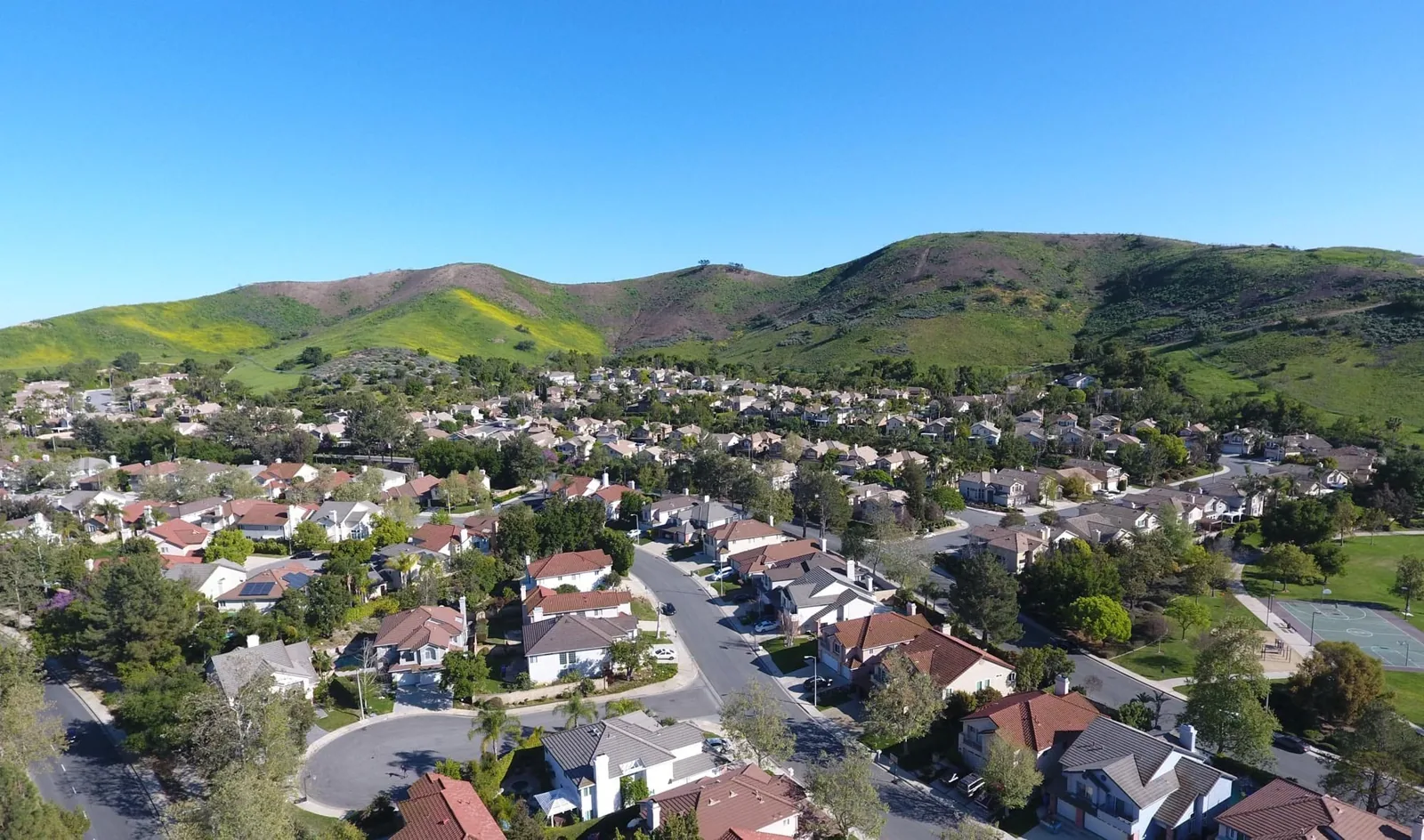
A community whose residents need help moving has a harder evacuation to plan, and the roof belongs inside that plan. The Woolsey Fire of November 2018 burned through Oak Park on November 8 and 9 with Santa Ana winds of 50 to 60 mph, and the Kenneth Fire of January 2025 brought evacuation warnings to Oak Park and Agoura Hills again. Embers do not need a burning neighbor to do harm. They lodge in open vents, behind loose edge metal, in gutter debris and in the seams of an aging membrane, and ash left on a roof holds moisture against it long after the smoke clears.
Our fire-year survey of a care campus looks at the places embers collect: penetrations without caps, scuppers packed with leaves, termination bars that have lifted and coping joints that have opened. We also confirm what fire classification the roof assembly carries. Thousand Oaks adopted the Wildland-Urban Interface Code as part of its 2025 Title 8 update, which makes ember resistance a planning item and not an afterthought.
Wings: several buildings, several ages, one standard
Few communities are built in one pass. A first residential wing is followed by a memory-care addition, a dining commons, a therapy suite or a covered entry, and each addition brings its own membrane and its own details where new work meets old. A survey that treats the campus as a single roof misses those joints, which is where water finds its way in. We map every section separately, record its system, drainage path and condition, and give each a condition index on the same scale, so a board can compare an older wing with last year's addition without translating between reports.
The clinical side of a continuing-care campus raises the questions found at a hospital. Los Robles Hospital and Medical Center began as a 220-bed facility in 1968 and has grown in stages, which leaves roofs of several construction eras on a single site, and the lesson scales down: record every era, protect the rooms below each one and plan shutdowns around the areas that cannot be interrupted. Where physicians lease space in the same building, that wing carries the roof questions of a medical office too.
Horizon: placing each roof in the capital plan
A reserve study asks two things of every roof: how many years remain, and what the replacement will take. The survey supplies the first with evidence. For each section it records remaining service life, whether the insulation is dry, which defects are cosmetic and which belong to the system itself, and what a coating, a recover or a replacement would each achieve. A section with dry insulation and a sound field membrane can often be restored, which moves replacement out by several budget cycles. Wet insulation cannot be restored, and finding it early is among the most valuable things a survey does.
Timing has a code dimension as well. A project permitted today is reviewed under the 2025 California Building Code, effective January 1, 2026, with the Thousand Oaks amendments adopted in 2025, and permit applications filed on or after that date fall under the 2025 California Energy Code and its cool roof provisions. Operators with several communities can place all of this inside a roof capital plan, and real estate investors who hold senior housing can read the same file at acquisition or refinance.
Commercial Roofing Questions
Can residents stay in their rooms during a reroof?
Usually, with the work phased one wing at a time and the rooms directly beneath the active zone protected. Rooms under a tear-off area may be moved for a day if the noise would disrupt care.
How are adhesive odors kept out of corridors?
We locate every rooftop air intake first, then shield or shut it down on an agreed schedule. A lower-odor attachment method is chosen where the intake cannot be closed.
What does the roof have to do with our evacuation plan?
Treat it as the first line against embers. Capped penetrations, clear gutters and tight edge metal reduce the chance that a spot fire starts on the building while residents are being moved.
Is a coating realistic for a wing with a sound membrane?
Often, once a moisture survey confirms the insulation is dry. A coating then extends service life and cuts surface heat, at a lower disruption level than a tear-off.
Which months suit roofing work on a care campus?
Late spring through early fall gives the longest dry spells. Santa Ana wind days still interrupt the schedule, so the plan keeps a reserve of calm days.