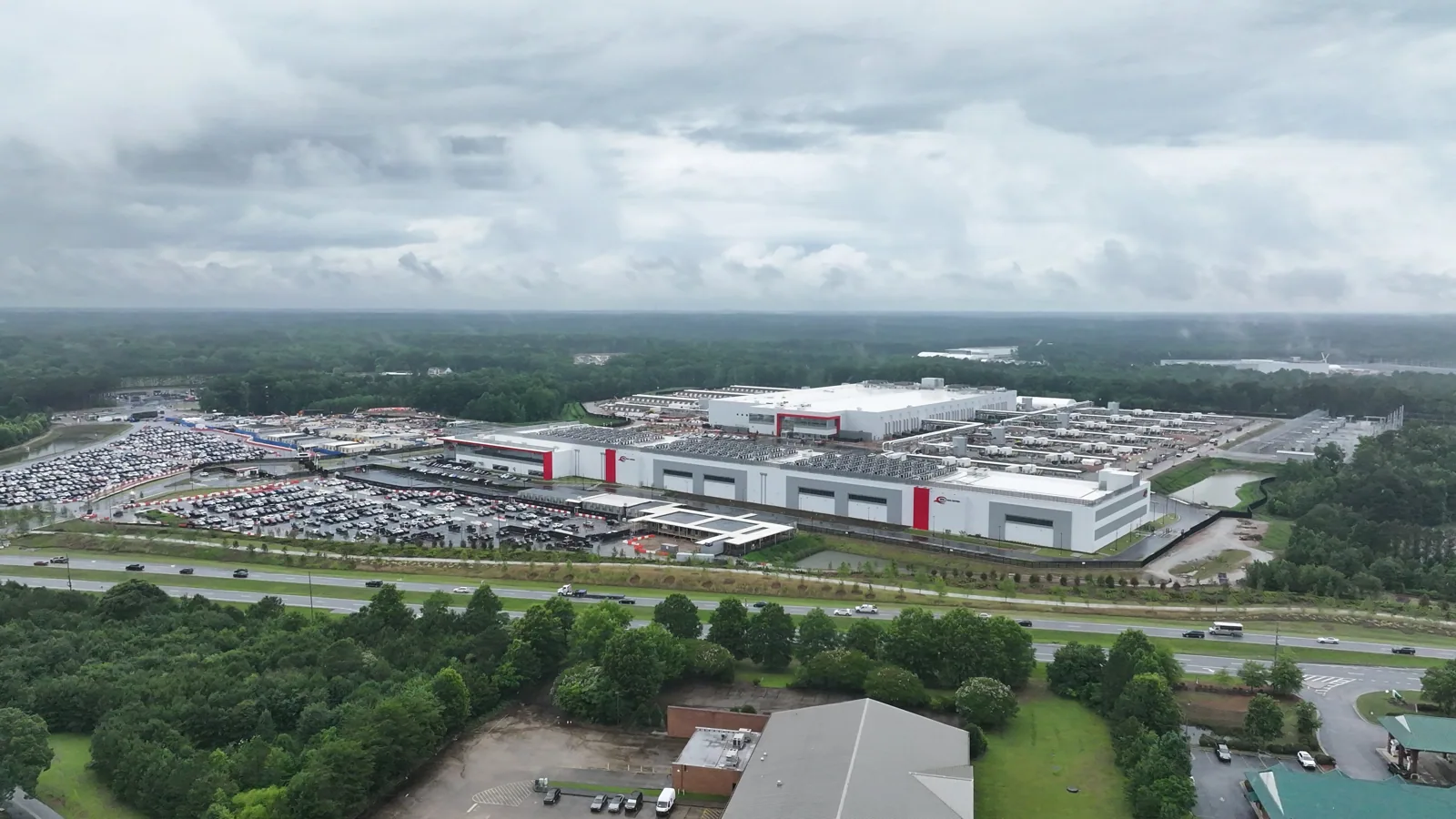
Data Center Roofing in Thousand Oaks, CA
Property Types We Roof · Thousand Oaks, CA
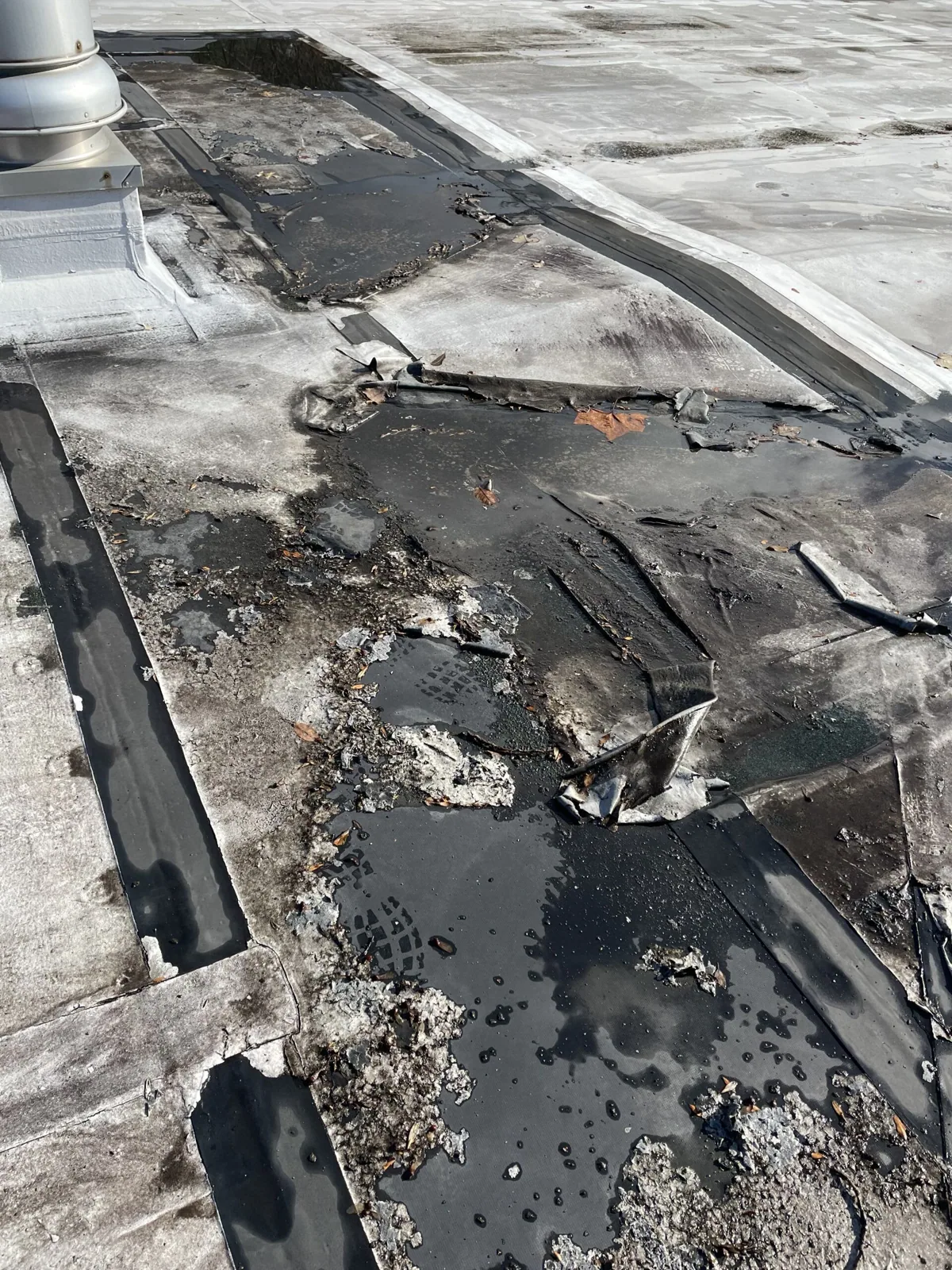
Finding: a water mark below a data-hall roof, standing water at a drain and a cracked chiller-pad flashing raise different questions. Above a computing floor, each one needs to be priced against uptime. Roof protection is not redundant just because the server equipment is. We identify the water path, accessible support and operating limit before selecting a repair stage that protects the space below. Owners in Thousand Oaks, CA who hold server rooms, edge facilities or full data halls therefore need a different roof conversation: not whether the membrane has years left, but whether a single failure can reach energized equipment, and how any repair will be made without disturbing the floor beneath.
Data Center Roofing
Property Types We Roof
Call our team
Written findings and options
Thousand Oaks, CA
Ventura and Los Angeles counties
Consequence: what a drip means above a computing floor
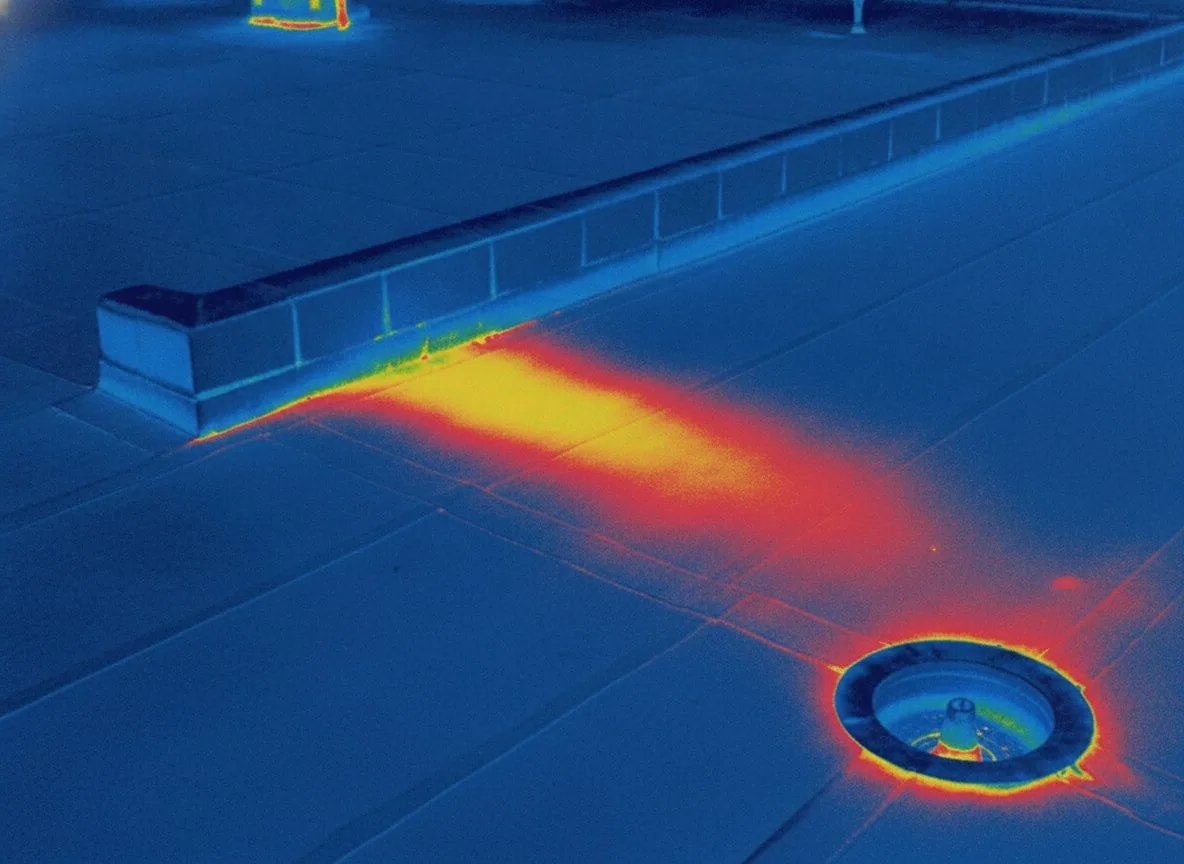
Water over live electrical equipment is a loss that is measured in downtime, not in square feet of roof. The paths it takes are predictable. Conduit and chilled-water lines pass through the deck, rooftop cooling plant sits on curbs and rails that are flashed by hand, and interior drain lines run through the white space. We trace each of those, mark which of them sit directly above racks or power distribution, and rank the roof sections by what lies beneath them, using an infrared moisture survey to find any insulation that is already wet. The sections above the white space receive the shortest repair intervals and the closest inspection. Where the layout allows, drainage can be redirected away from the sensitive zone, penetrations over it can be reduced, and a leak detection layer under the new membrane can be priced as an option.
Heat: the cooling plant and the membrane beneath it
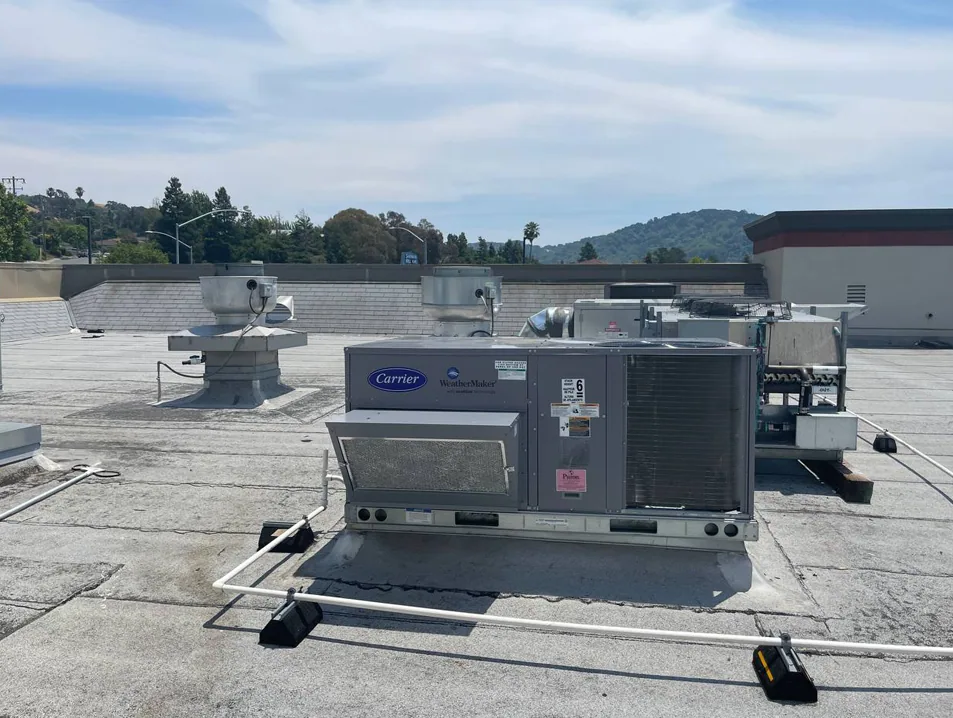
A data facility rejects heat continuously, and much of that plant sits on the roof: chillers, dry coolers, condensers and their pipe racks. The membrane under them lives in a hot microclimate, with exhaust air warming the surface and technicians walking the same routes to service the equipment. Heat is a recurring regional hazard, with the Weather Service putting out Extreme Heat Warnings that reach the coastal strip and inland valleys of Los Angeles and Ventura Counties, and heat events of that kind coincide with the highest cooling demand and the hottest roof surface of the year. We inspect for softened or crazed membrane near discharge points, compressed insulation under equipment rails and sealant that has hardened at supports. Walk pads along service routes and a reflective surface elsewhere are the usual first measures, and rooftop equipment curbs and supports are checked on every visit.
Maintenance windows: roof work run as a change-controlled event
The operator of a computing floor runs on change control, and roof work has to enter that process like any other change. We prepare a method statement for each section: the sequence, the hold points, the temporary protection and the weather limits. Torches and open flame are excluded. Fastener noise and vibration over sensitive equipment are discussed beforehand, adhesive and solvent fumes are kept away from air intakes by isolating them during application, and dust is controlled at the roof edge. Work is staged in small areas that can be closed the same day, with a tested temporary seal where an area must stay open overnight. Emergency response is available at any hour for a leak that cannot wait for the next window, and the method statement for it is the same, only shorter. The roof drains and scuppers over the white space are cleared on a published schedule.
Fire season: ash, embers and the intakes beside them
The Woolsey Fire of November 2018 reached five communities in and around the valley, among them Westlake Village, Agoura Hills, Oak Park, Newbury Park and Thousand Oaks; in January 2025 the Kenneth Fire sent Agoura Hills and Oak Park residents evacuation warnings once more; and the Mountain Fire of November 2024 consumed 19,904 acres in the Somis and Camarillo area. For a facility that depends on clean air through its cooling plant, ash and embers on the roof are an operational issue as well as a roofing one. Following a fire we clear the roof and its drains, look over intakes and louvers for debris and scorching, and test flashing and sealant joints where embers could lodge. Strong offshore wind that can exceed 40 mph puts uplift on every piece of equipment on the roof. A record that follows fire damage roof repair can then go to the insurer with photographs of what was found before and after.
Older stock: a computing load beneath an aging office roof
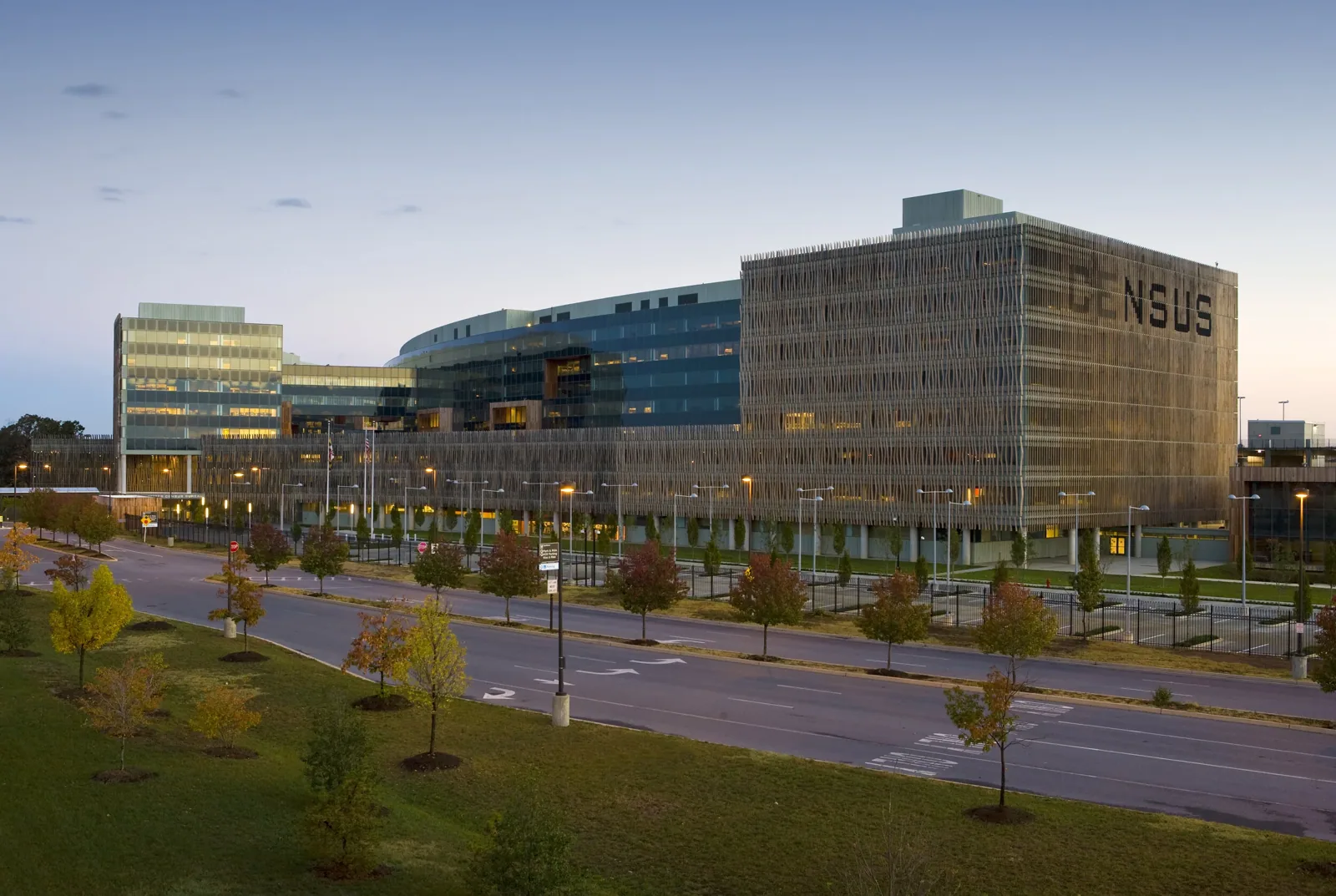
Many server rooms and small data halls live in buildings that were never designed for them. Warner Center, a master-planned district of about 1,100 acres spanning Woodland Hills and Canoga Park, holds 1.8 million square feet of office space at Warner Center Plaza and 1.1 million at its business park, built out between the 1970s and early 1990s. Those development dates describe the buildings, not the roof assembly above them, so an owner converting space for computing should establish roof condition from current records and a survey. An owner who converts part of a building like that to computing space inherits a roof that predates the load. The same question reaches any office building near Warner Center that is considered for computing space. Before the conversion, a survey grades the roof, tests for wet insulation and sets a replacement date that sits ahead of the load, the way an office building owner plans around a tenant's critical floor, or a hospital plans around an operating suite.
Once the baseline exists, it feeds a roof asset management plan that keeps the computing space and its roof on one calendar. The plan lists inspection intervals, the date for the next recoating or replacement and the trigger events, such as a major wind episode or a fire, that bring an unscheduled visit. When the facility changes, for example when racks are added or a cooling unit is replaced, the roof file is updated the same week, so the next owner or operator inherits a record rather than a rumor.
Commercial Roofing Questions
What changes about roofing methods above a computing floor?
Torches and open flame are out, and the sequence, fumes, vibration and dust are written into a method statement the operator approves. Work is staged so that each opened area can be closed and tested the same day.
Should a data hall roof have its own leak detection?
It is worth pricing when a roof is replaced, because a sensing layer under the membrane locates a breach before water reaches the ceiling. The decision rests on the value of the floor beneath, and on whether the building already has a monitored water-leak system.
How soon after a wildfire should roofs and intakes be inspected?
Within days, before the next wind event can move ash into drains and intakes. We clear debris first, then walk the roof for scorched flashing, damaged sealant and loosened equipment fasteners.
Do rooftop chillers shorten membrane life?
Heat and foot traffic do, and both increase around the equipment. Walk pads along service routes, redirected condensate and periodic recoating of the worn areas give the sheet around them a longer service life.
Is a small server room in an office building treated differently?
Yes, in the area above it. That section is graded and repaired on a shorter interval than the rest of the roof, and drains and penetrations over the room receive extra attention, even though the remainder of the building follows the standard cycle.