Air Force Base Roofing in Thousand Oaks, CA
Property Types We Roof · Thousand Oaks, CA
Administrative wing, Air Force installation: coping joints open along the south parapet, a sealant line at the base of an equipment curb gone chalky and brittle, and a drain sump ringed with dried silt. None of those entries is a leak today. Read together, they describe a roof whose remaining service life is shorter than the facilities plan assumes, and on a federal installation that gap is expensive to discover late, because every repair has to pass through access approvals, funding cycles and a mission calendar before a crew can climb the ladder.
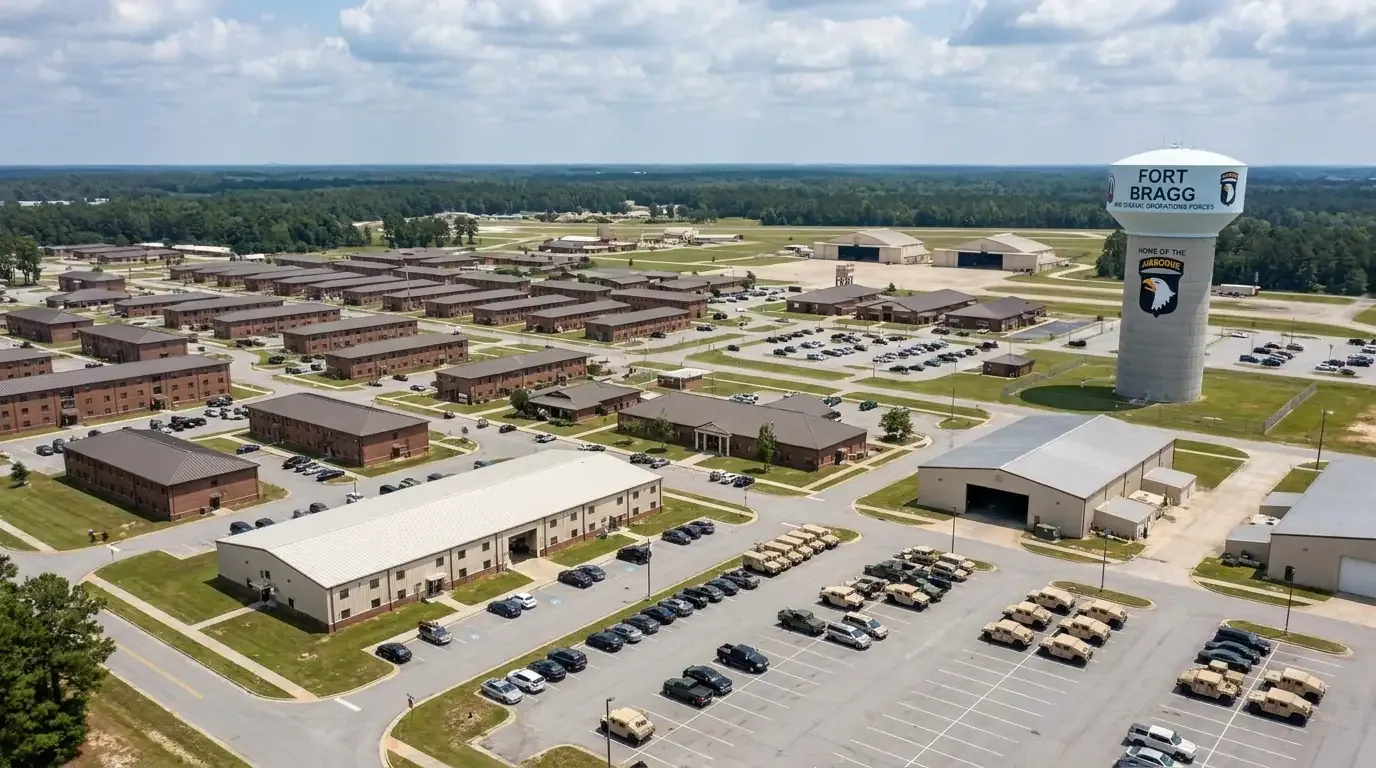
For a facilities office working from Thousand Oaks, CA, the nearest Air Force roofs are at Los Angeles Air Force Base in El Segundo and at the Channel Islands Air National Guard Station beside Point Mugu. The membranes and metal panels on those buildings are the same low-slope and standing seam systems we handle on any commercial property. What changes is the paperwork around the roof, and a good plan starts with a baseline survey, then fits the work into the way the installation actually runs. Our military installation roofing work follows that order.
Air Force Base Roofing
Property Types We Roof
Call our team
Written findings and options
Thousand Oaks, CA
Ventura and Los Angeles counties
Headquarters: Space Systems Command and its plant assets
Los Angeles Air Force Base is the headquarters of Space Systems Command, a command established on August 13, 2021 to run the research, development, acquisition and sustainment of military space systems. Space Base Delta 3 manages the installation, with more than 790 personnel and $608 million in plant assets. With plant carried on the books at that scale, each roof belongs in a reserve study as a line of its own: age, condition index, replacement horizon and the year the money has to exist.
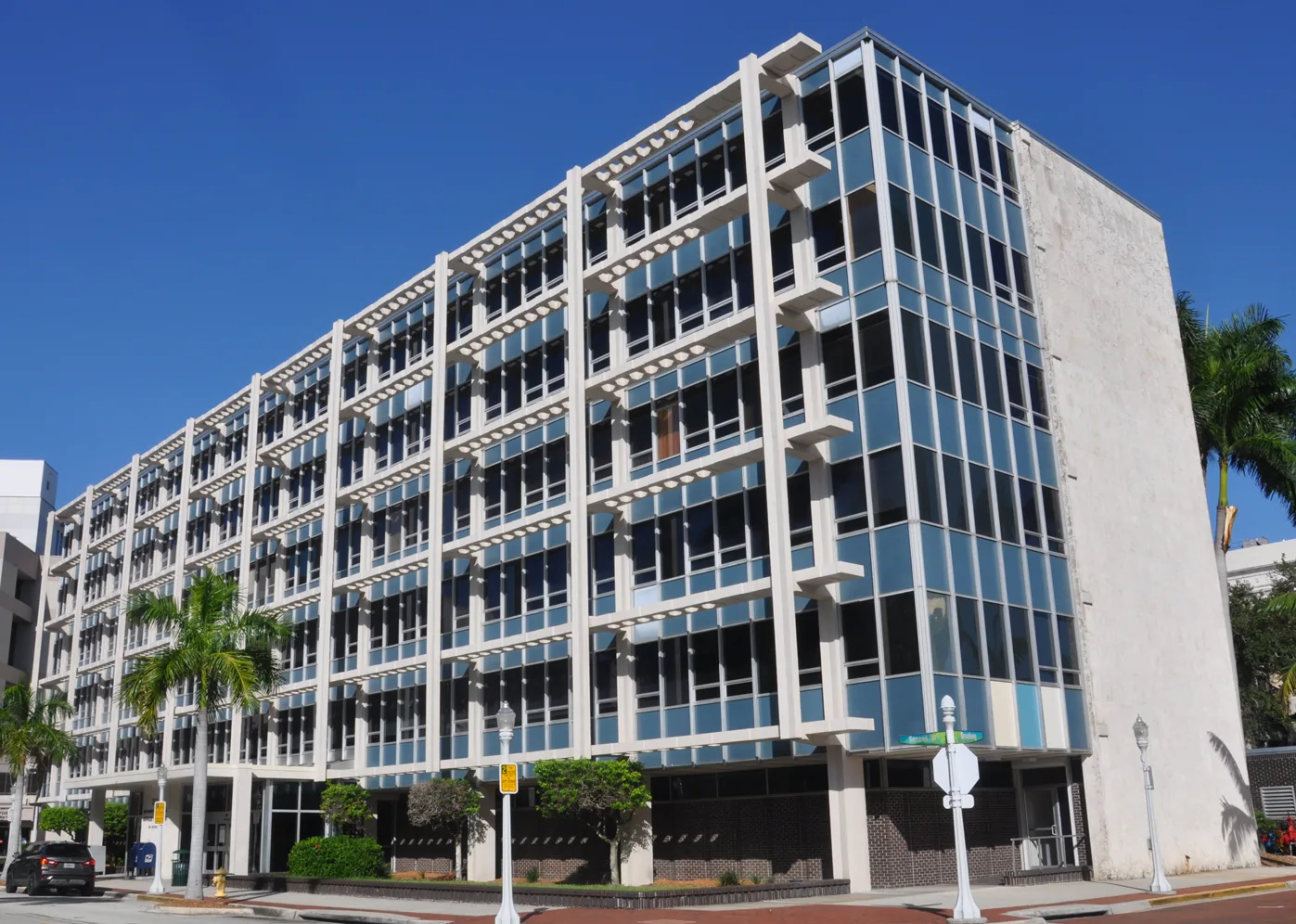
The installation was built between 1962 and 1964 and redesignated an Air Force Base in 1987. That history tells an asset manager one useful thing. Buildings from the original construction are old enough that a survey has to establish which wings still carry an early membrane, which were recovered once and which were stripped to the deck. Where those buildings are offices, they bring the familiar problems of an office building roof: rooftop equipment added over the years, drains that were never resized, and a patchwork of repairs that no single record explains.
Air Guard station: a C-130J wing on 204 acres beside Point Mugu
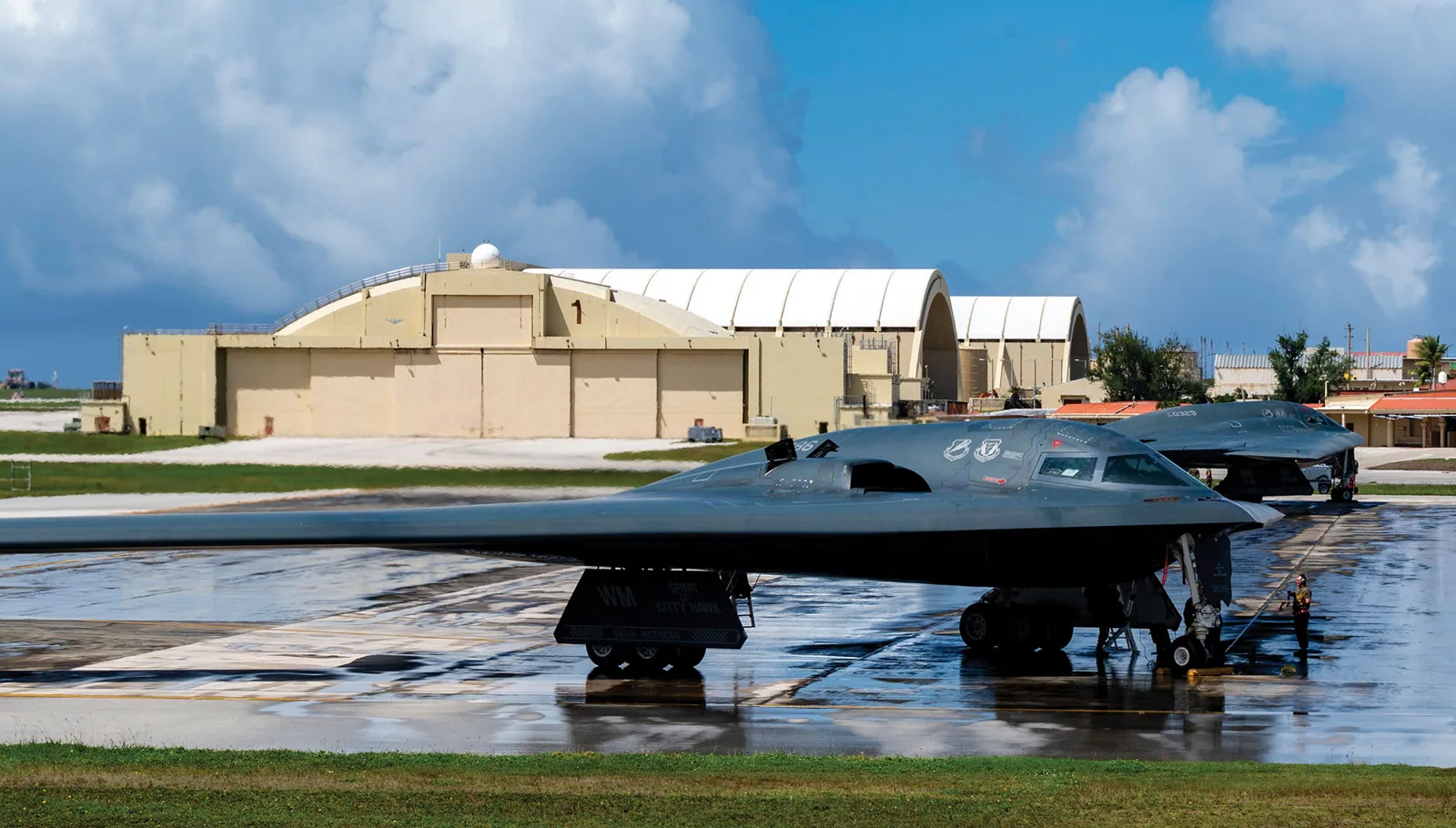
The 146th Airlift Wing is stationed at the Channel Islands Air National Guard Station in Oxnard, on a 204-acre site next to the Naval Air Warfare Center Weapons Division at Point Mugu. The wing flies the Lockheed C-130J Super Hercules, and its missions include military airlift, aeromedical evacuation and aerial firefighting. In 2021 it completed a permanent fire-retardant reload facility that lifted storage from 10,000 to 50,000 gallons, a facility that supports Air National Guard and U.S. Forest Service aircraft alike.
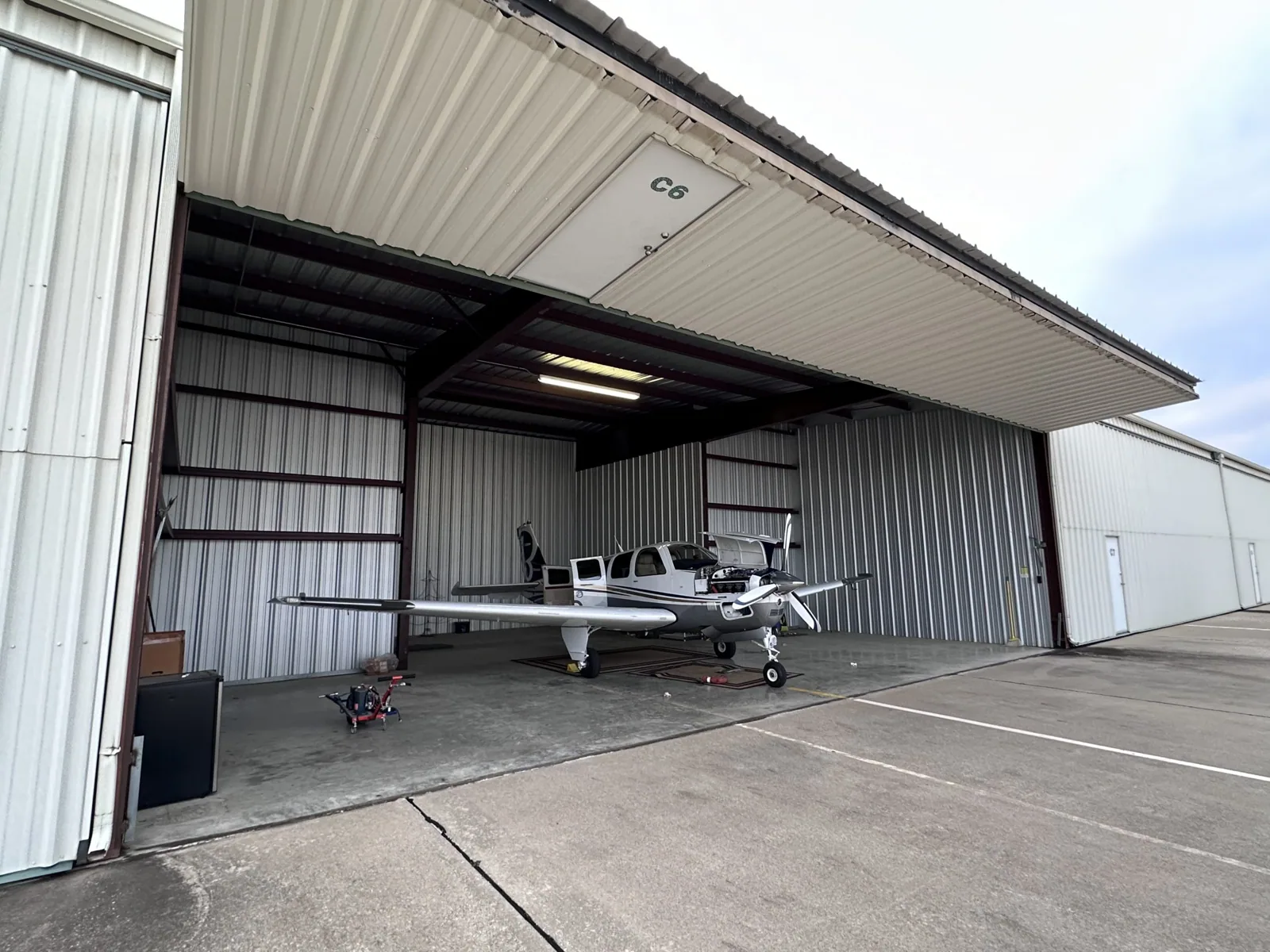
Roof planning at a site with that mission mix is a question of consequence. Buildings that support airlift, medical evacuation and firefighting loads are the ones where a leak over equipment or a dislodged edge panel costs the most, and where facilities staff want findings early. The hangars and shops of a C-130J wing carry the long-span roofs typical of military hangar and maintenance facility roofs, and the same survey method applies to a reload facility, a support shop or an office.
Access: badging, escorts and a roof plan written for the gate
A crew does not simply arrive on a federal installation. Worker names, vehicle details and equipment lists are submitted ahead of time, workers are processed through the pass office, and an escort may be required whenever someone is on the membrane. Delivery trucks are scheduled through the gate, and staging is confined to the area the installation assigns. We build the access plan before the roof plan and review it with the project officer, because a missed credential costs as many crew hours as a rainout.
Roofing on Department of Defense facilities is specified under the Unified Facilities Criteria (UFC) for roofing together with the project's own contract documents. For the contractor, that means submittals approved before material is ordered, mock-ups and inspections at stated points, and daily reports and photographs filed as the work proceeds. The same discipline is used for occupied building reroofing, with squadrons and offices in place of tenants.
Exposure: Santa Ana wind, embers and a long heat season
Santa Ana winds are dry offshore winds that can easily exceed 40 mph, and Ventura and Los Angeles Counties are noted for the structural damage they cause when channeled through passes. The Woolsey Fire of November 2018 burned 96,949 acres and destroyed 1,643 structures with winds of 50 to 60 mph, and the 2017 Thomas Fire ran under gusts up to 70 mph. Those figures describe the regional wind and ember load that a roof in Ventura and Los Angeles Counties is specified against. Edge metal, coping, perimeter attachment and equipment curbs are the details that wind punishes first, and wind damage roof repair usually starts at one of them.
Heat is the slower exposure. Federal forecasters have posted Extreme Heat Warnings across the coastal strip and the inland valleys of Los Angeles and Ventura Counties, and a run of hot days pushes membrane surface temperature and rooftop HVAC load up together. UV degradation shows up as crazing and chalking, which our heat and UV roof damage repair work logs by area so the trend is visible from one survey to the next.
Horizon: ranking base buildings by remaining service life
A baseline survey on an installation produces a prioritized scope that facilities staff can carry into a budget cycle. Each roof section is numbered, photographed and graded, with the defects that threaten the interior listed first. From that record the options sort by horizon. A sound membrane with isolated detail failures is a candidate for repair now. A roof with dry insulation and surface wear may be restored through roof coating restoration, which defers replacement. A roof with saturated insulation goes on the replacement list with a year attached.
The written roof condition reports that come out of this work are meant to outlast the people who commissioned them. On installations where staff rotate, a record that shows what was found, what was done and what the next decision point is keeps the plan intact from one command cycle to the next.
Commercial Roofing Questions
Which Air Force sites are closest to Thousand Oaks?
Los Angeles Air Force Base in El Segundo, about 31 miles southeast in a straight line, and the Channel Islands Air National Guard Station beside Point Mugu, about 16 miles southwest.
Do federal buildings get different roof systems than commercial ones?
The systems are familiar: single-ply, modified bitumen, built-up and standing seam metal. The contract documents and the Unified Facilities Criteria add submittal, mock-up and inspection requirements that a private owner may skip.
How early should a roof survey be requested on a base?
Well before the budget cycle that would fund the work. Access approvals take weeks, and a survey completed ahead of the funding request gives facilities staff real numbers to defend.
What does a survey hand back to facilities staff?
A numbered roof plan, photographs of each defect, a condition grade for every section and a prioritized scope sorted by repair, restoration and replacement horizon.
Can embers and ash damage a membrane that looks intact?
Ash holds moisture against the surface and clogs drains, and embers can scorch or melt exposed edges and details. A post-fire walk of the roof finds those problems before the first rain does.