Commercial Roofing in Woodland Hills, Los Angeles, CA
Service Areas · Thousand Oaks, CA
Finding: sealant at the rooftop-unit curbs has hardened and split along the sun-facing side, and the membrane beside each curb is chalking where heat collects against the metal. That condition can appear on office and institutional roofs in the southwestern San Fernando Valley. A Woodland Hills station recorded 121 degrees Fahrenheit on September 6, 2020, the highest temperature recorded in Los Angeles County. The reading puts regional heat exposure in view; it does not, by itself, show a leak. We turn the wear observed on each roof into a dated scope and remaining service life an owner can carry into the next budget cycle.
Woodland Hills
Service Areas
Call our team
Written findings and options
Thousand Oaks, CA
Ventura and Los Angeles counties
Heat: a county record and the sealants beneath it
The National Weather Service office that covers Los Angeles and Ventura Counties has issued Extreme Heat Warnings for the coast and the valleys, For a roof, the number itself matters less than what surrounds it: long runs of direct sun that push a dark membrane well past the air temperature, rooftop air handlers working at full load directly beneath it, and a daily expansion and contraction that fatigues every seam, boot and termination. Summer days in Thousand Oaks, CA typically run in the 70s to 80s, so the Woodland Hills record is a useful reminder of the upper tail that a roof in this region has to survive.
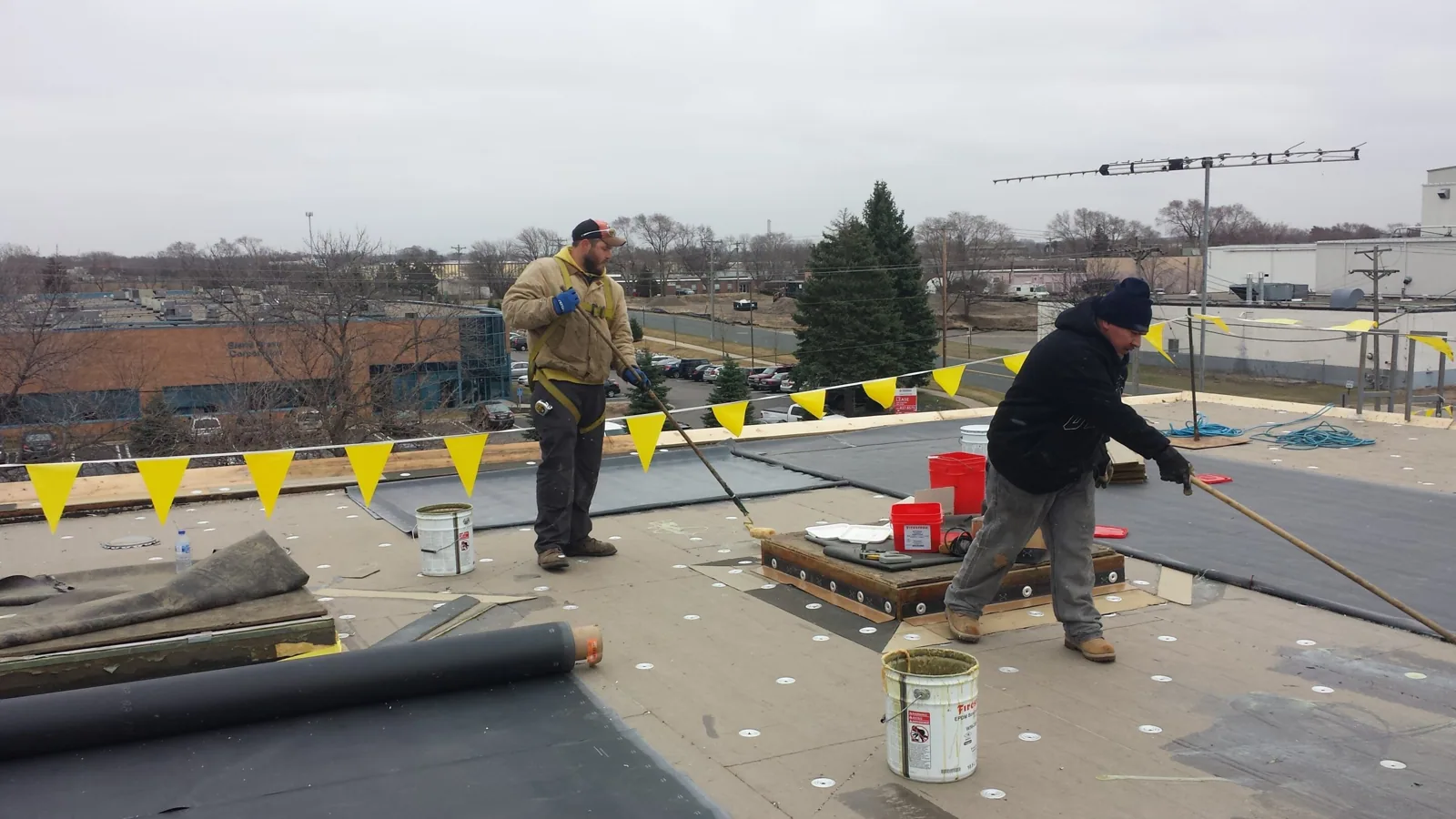
On a first walk we measure UV degradation on the open field and, separately, on flashings, because flashings usually fail first. We probe sealant at every penetration, look for the fine crazing that precedes cracking, and note where a drain bowl or a pipe boot has pulled away from the sheet. An infrared moisture survey after sunset shows whether any of that has already let water into the insulation. Where the insulation is dry, a cleaned and reflective roof coating restoration can extend the replacement horizon, and where the findings are widespread, the cause is usually heat and UV roof damage that has been accumulating for years.
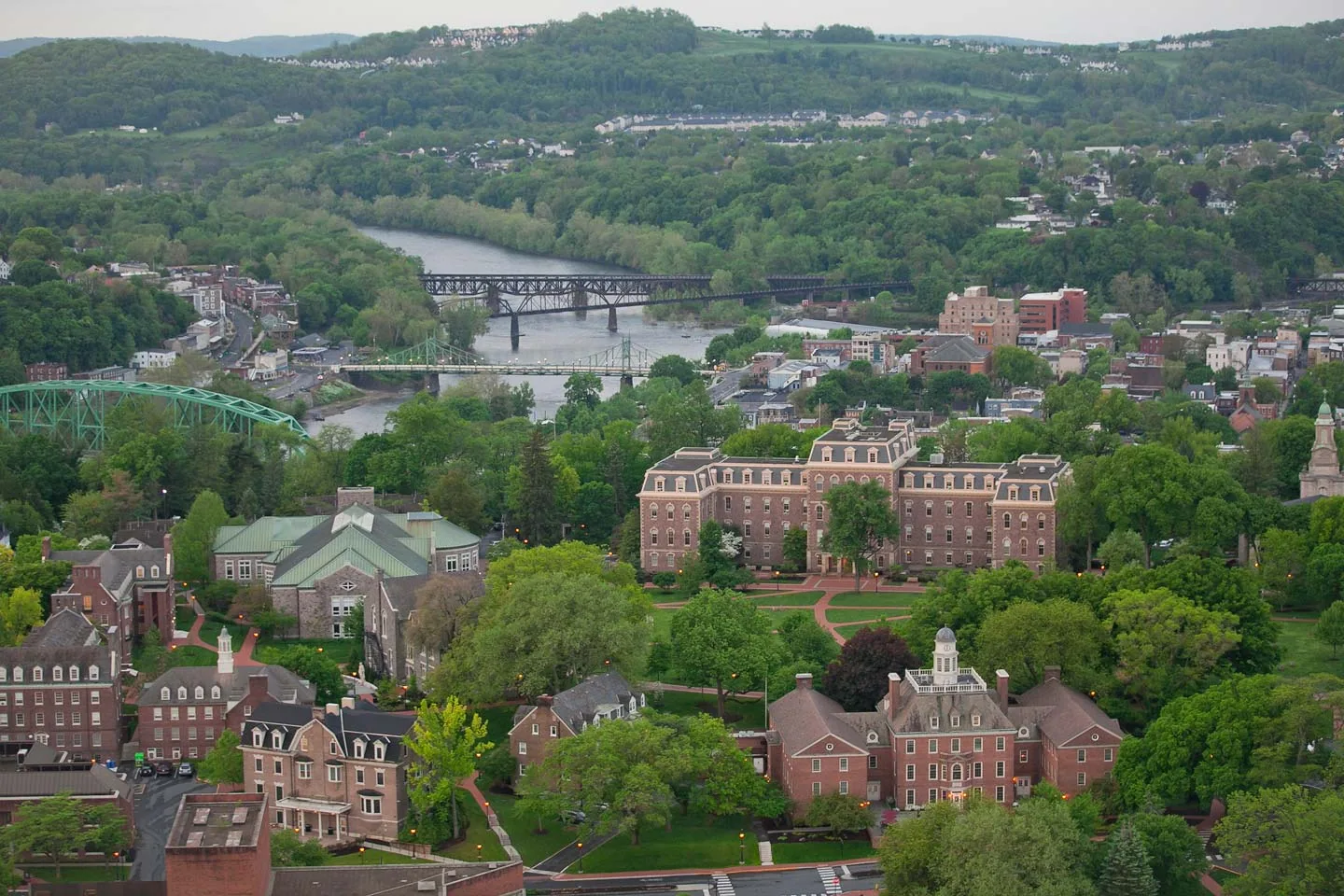
Institutions: Kaiser, Pierce College and the Country House
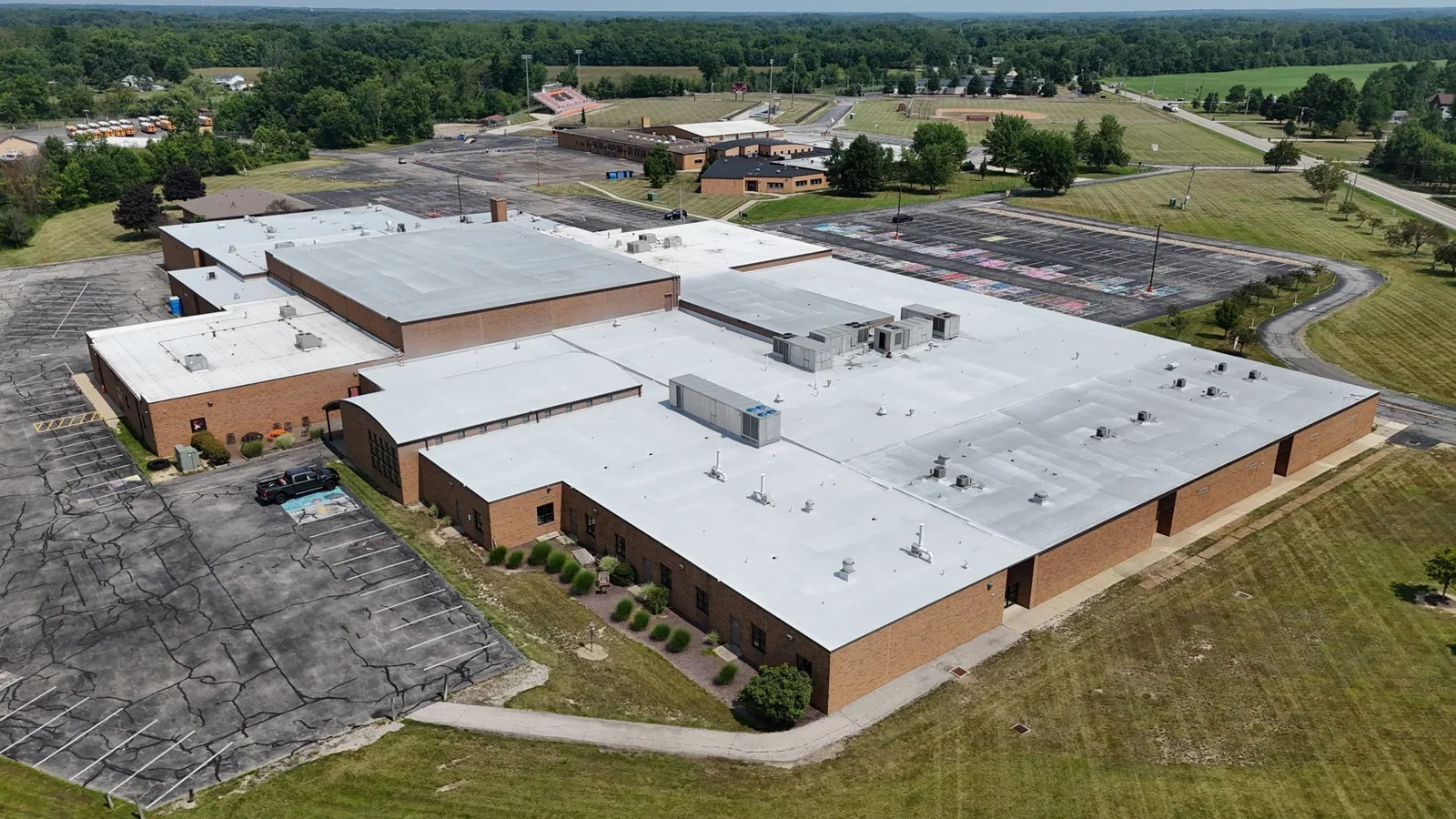
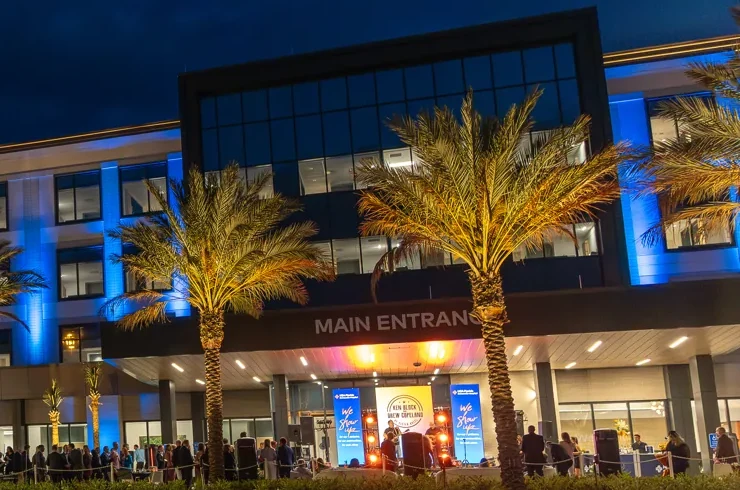
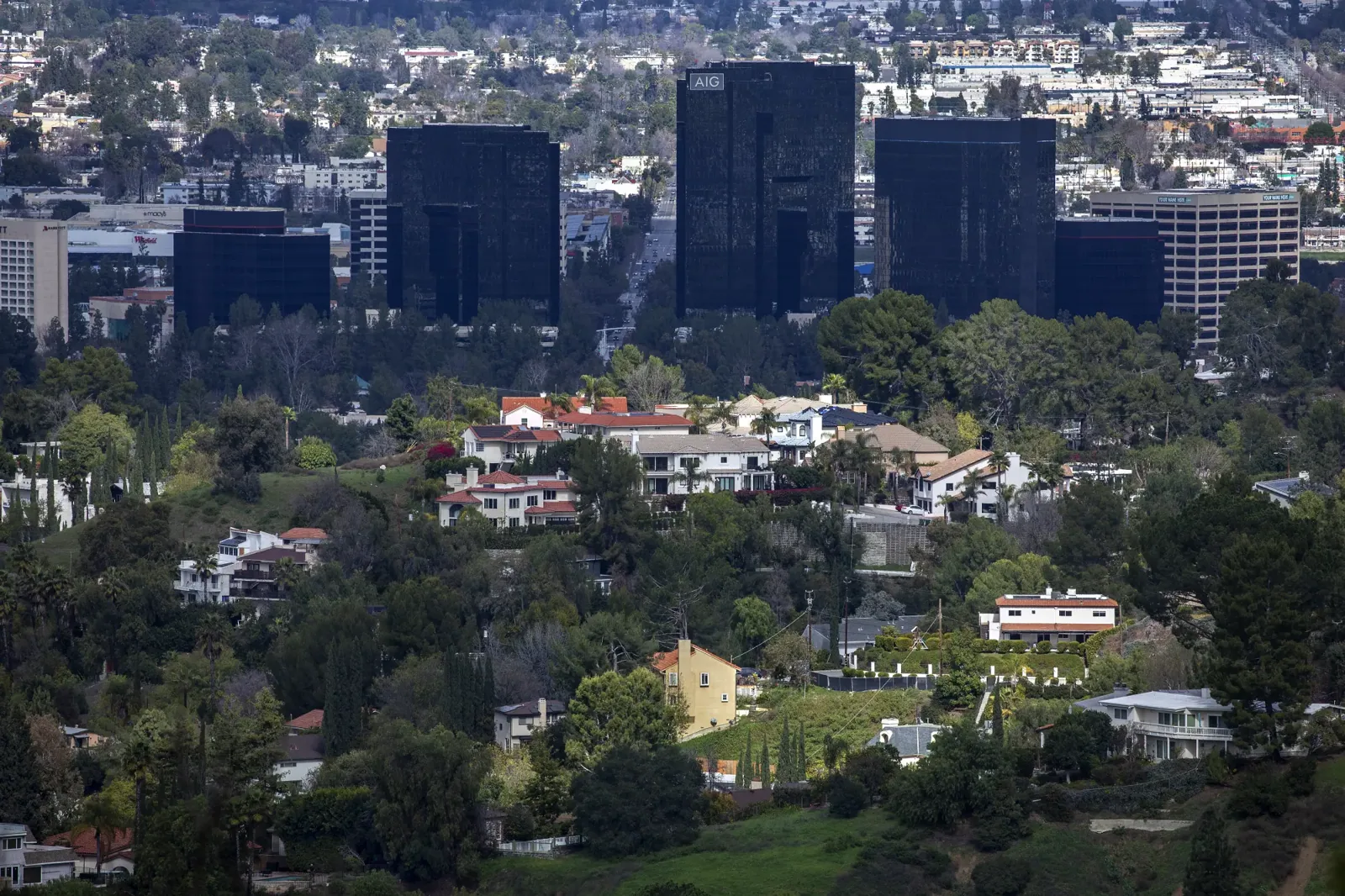
Warner Center is a master-planned business district spanning Woodland Hills and Canoga Park. That commercial context brings varied operating schedules and occupied buildings. We identify the actual rooms, equipment and access limits before staging repair. A hospital, college or office property needs its own operator release and roof findings; a district name cannot establish construction or interior restrictions.
For those owners the working document is a roof file, section by section, with photographs, moisture results, a condition index and a remaining service life for each area. Tenant impact is written into the plan before any crew arrives: where equipment will be staged, which intakes need protecting, when tear-off noise is permitted and how every area is dried in at day's end. The same file serves hospital roofing and college and university roofing alike.
Edge: the mountain border and the dry wind days
A Santa Ana day arrives dry and offshore, with gusts that can top 40 mph and humidity that falls under 10 percent. Ventura and Los Angeles Counties both know them for funneling through passes and damaging structures, which is why roof edges, parapets and rooftop equipment face a recurring uplift risk. Wind starts at the perimeter, so the edge metal, coping joints and the fastening pattern behind them are the first things we pull and test. Loose equipment panels and unsecured conduit are written up in the same pass.
Fire years add a second layer. The Woolsey Fire of November 2018, driven by winds of 50 to 60 mph across 96,949 acres, affected Thousand Oaks, Newbury Park, Oak Park and Agoura Hills, which shows how widely ember exposure and ash can spread across the region on a Santa Ana day. After a fire or a major wind event we document ember marks, blistering, ash packed into drains and displaced edge metal in a dated report an insurer can use. The repairs that follow, from wind damage roof repair at the perimeter to fire damage roof repair on scorched membrane, are scoped from that record.
Scope: what a survey sorts a roof into
Every roof section ends up in one of three groups. A dry roof with a worn surface suits restoration: cleaning, seam work, flashing repair and a reflective coating. A dry roof whose membrane is close to done may take a recover, which avoids tear-off and disposal. A roof with saturated insulation has to come off to the deck, and the moisture map, not the age of the building, decides which group a section belongs to.
Since January 1, 2026 the state's 2025 building code has been in force, and permit applications filed from that day carry the 2025 Energy Code, whose nonresidential updates reach roofing and cool-roof requirements. A replacement planned now is therefore designed to the new provisions, and the survey notes which sections would trigger them. That is one reason we pair the report with roof capital planning: the replacement year, the scope and the code cost should all appear on the same line of the budget.
Timing: cost drivers across the district
Cost and schedule on a Woodland Hills building follow a short list of drivers. The first is how much wet material has to be removed. The second is the count of rooftop units to be lifted, reset and reconnected. The third is crane or hoist access and the hours a hospital, a school or an office tenant will allow. The fourth is how many buildings the owner commits at once, because a mobilization shared across buildings costs less than three separate ones. Each of these is written into the proposal in plain terms.
Owners whose portfolios cross the district line should look at the neighbors as well. Warner Center spans Woodland Hills and Canoga Park, so a single survey trip can cover buildings in all of them. A manager with offices in Warner Center and an industrial building in Canoga Park can have one baseline format across all of them, with the same condition index on every roof.
A roof review should connect the finding to a practical work limit. Mark which membrane section can be repaired without disturbing adjacent equipment, where water will be directed during a temporary dry-in, and which penetrations require a mechanical contractor. For a larger campus, the manager can group work by access route and roof type, then sequence the most consequential defects first. Photographs should show the condition at a useful scale and include a roof-plan reference, so a later reviewer can distinguish the original defect from a completed repair. When several properties are managed together, use the same condition terms and record format across the portfolio, but keep each location’s observations independent. The result is a clearer maintenance order and a budget request grounded in what was actually seen on each roof.
Commercial Roofing Questions
Does a county heat record change how a roof should be specified?
It sets the top of the range. Reflective surfaces, heat-stable sealants and well-fixed seams matter more where surfaces get that hot, and the survey records how each existing component has held up.
Which part of a sun-baked roof shows trouble first?
Terminations and sealants. Pipe boots, curb flashing and drain bowls move the most each day, so they crack and pull away before the open field fails.
How does a campus roof stay dry while classes run?
Work is staged by area and sealed at the end of each shift. Noisy tear-off is placed in breaks and evenings, with fenced zones around entrances.
What belongs in a roof file for a hospital owner?
Photographs by section, moisture results, the location of every intake and penetration, and a ranked list of risks to the floors below.
Can an older roof be coated instead of replaced?
Only when the insulation under it is dry and the membrane is sound enough to bond. An infrared scan answers the question before any money is spent.