Commercial Roofing in Canoga Park, Los Angeles, CA
Service Areas · Thousand Oaks, CA
Finding: a dark, tacky halo in the membrane around the base of a roof-mounted exhaust fan, with the surface softened for roughly ten feet downwind and the seams inside the halo lifting. On an industrial building in Canoga Park, CA that pattern usually says more about what is leaving the building than about the age of the roof, and it changes the planning horizon. A membrane that is sound in the open field may be spent near the exhaust. The report separates those two conditions, assigns each its own remaining service life, and gives the owner a scope that treats the contaminated area as a distinct line item before it spreads to the seams that still have years in them.
Canoga Park
Service Areas
Call our team
Written findings and options
Thousand Oaks, CA
Ventura and Los Angeles counties
Industry: from Rocketdyne in 1955 to the shop floor now
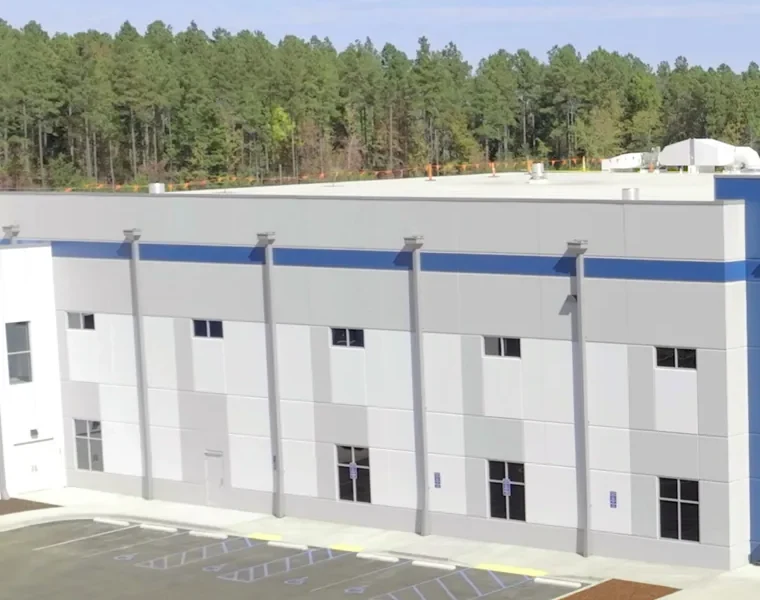
Rocketdyne built its main manufacturing facility in Canoga Park in 1955, and TRW, Hughes Aircraft, Rockwell, Boeing and Teledyne followed with plants and machine shops. A shop or plant that makes things tends to put things through its roof: process exhaust, cooling and compressed-air equipment, and conduit for whatever the line needs next. Whatever a plant makes, the first walk records what is actually standing on the roof.
On a production building we map every penetration against what it does, looking for abandoned openings that were capped badly, exhaust discharging onto the field, and equipment that has been added without proper curbs. We check the condensate and drain lines that cross the membrane and probe the sealant around each. That report is written for the facilities teams of manufacturers, and the method is the same on a manufacturing plant of any size.
Parcels: the former Rocketdyne site and redevelopment
Demolition and site clearing of the former Rocketdyne facility began in August 2016, leaving large industrial redevelopment parcels. For a roof, a parcel in transition raises two separate questions. The first concerns the buildings beside it. Dust, debris and equipment traffic from clearing and construction land on neighboring roofs, clog drains and scuff membranes, so a baseline survey of those neighbors before work begins, and a second one afterward, protects the owner if damage is ever disputed.
The second concerns whatever is built on the parcels. A roof specified in the design phase is far cheaper to get right than one corrected in year five: tapered insulation that actually drains to the outlets, cover board under the membrane, edge metal rated for the local wind, and curbs sized for the equipment the tenant will install. General contractors and developers can use the same survey format at turnover that an owner uses at renewal, which makes the closeout package a natural handoff for general contractors: photographs, moisture results and warranty records in one file.
Corridor: Sherman Way and the Metro G Line
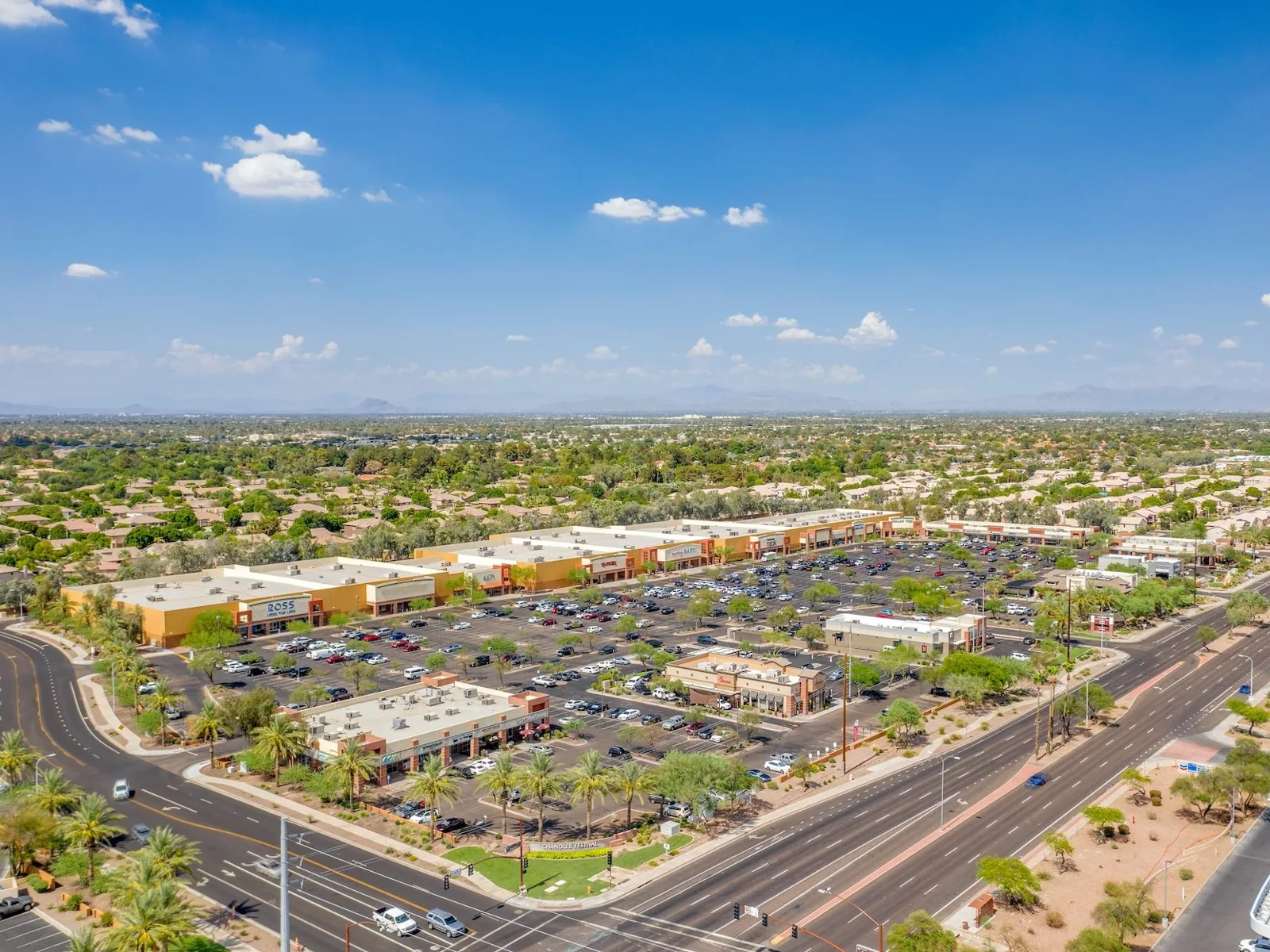
Sherman Way is the main corridor connecting Canoga Park's industrial zones, and the Metro G Line and Warner Center sit adjacent to the district. Corridor facts matter to roofing in mundane ways. A crane lift, a tear-off dumpster and a materials delivery all need a place to stand, and they cannot block a dock door or a neighbor's loading apron. We walk the access route and the ground staging area before the proposal is written so that those constraints are in the price, not discovered on day one.
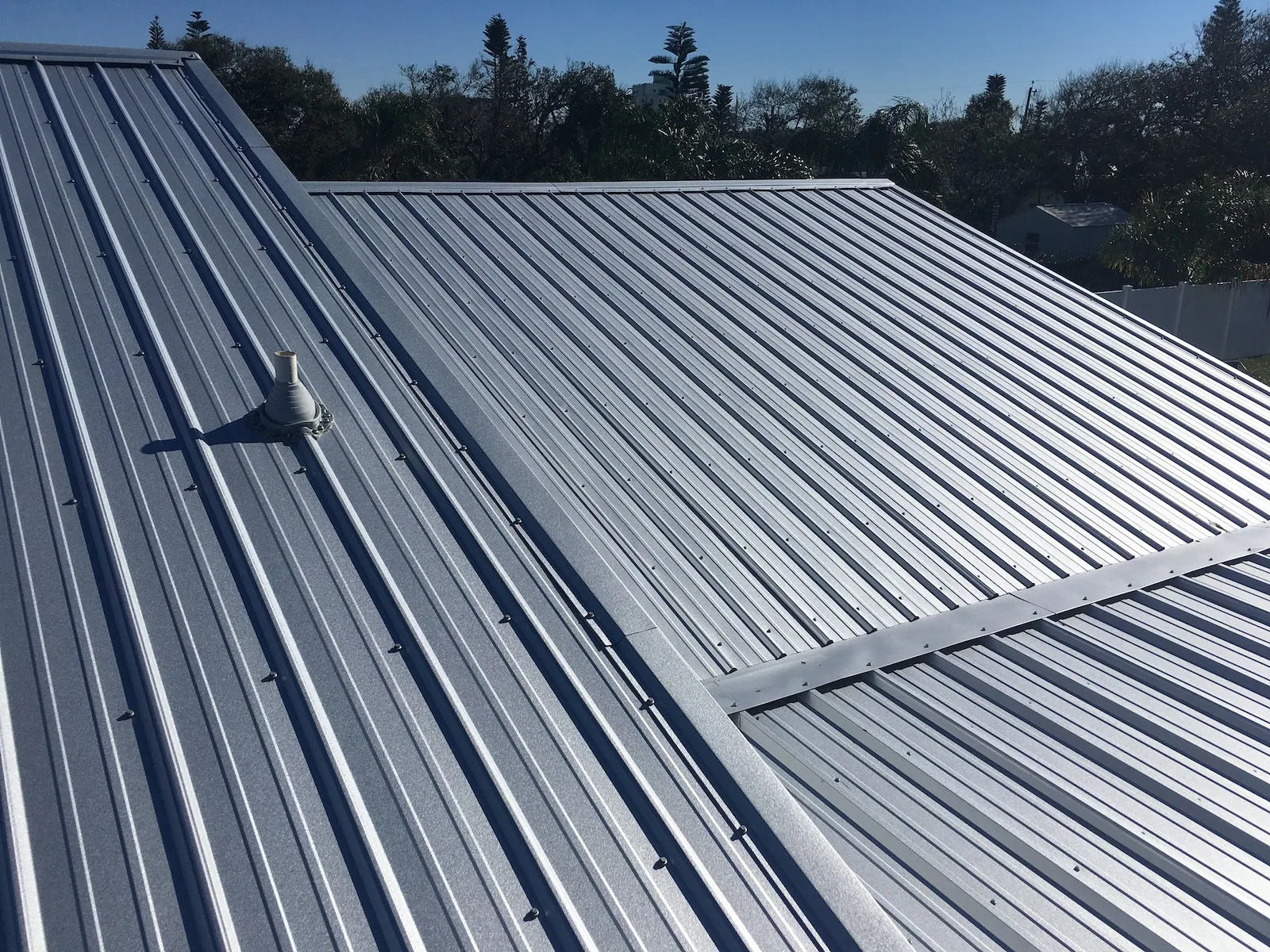
An owner who holds several buildings along the corridor, or one building here and others elsewhere in the valley, can put them under a single baseline. The survey scores each roof on the same condition index, the sequence follows moisture and remaining service life, and the budget is spread across more than one fiscal period. That structure is the heart of a multi-site roof program, and it works as well for four buildings on one street as for forty across a region. For long-span industrial roofs, a metal roof retrofit can be considered when the old surface is beyond restoration.
Exposure: valley heat, dry wind and a short wet season
Extreme Heat Warnings have been issued for the valley and coastal zones of two counties, and sustained heat pushes membrane surface temperature and rooftop equipment load up in step. Santa Ana winds in both counties can exceed 40 mph and are noted for causing structural damage as they channel through passes, so uplift at the edges, parapets and rooftop equipment is a recurring concern. The Woolsey Fire of November 2018 began at the former Santa Susana Field Laboratory in the hills above Chatsworth, and under winds of 50 to 60 mph it affected Thousand Oaks, Newbury Park and Agoura Hills, which makes embers and ash a recurring roof concern across that area.
Rain is the other test. Newbury Park, in the Thousand Oaks market, gets roughly ten inches of rain in a year, concentrated in a short winter season, so drainage on low-slope roofs across the market is proved in a few heavy storms. Every autumn we advise owners to clear drains, check scuppers and walk the field before the first big front, because standing water on an industrial roof adds weight and finds every weak seam. Persistent ponding water on a roof can also mean the insulation underneath has settled or saturated.
Options: what the findings sort into
Findings from a Canoga Park survey usually divide into three categories. Sections with dry insulation and an intact membrane are candidates for cleaning, seam repair and a coating. Sections that are dry but near the end of the membrane may accept a roof recover, which saves tear-off and disposal. Sections with wet insulation need a full commercial roof replacement to the deck, and the moisture map settles which sections belong where.
Cost follows the volume of wet material, the number of penetrations to be rebuilt, access for cranes and hoists, and the hours the operation will allow. Production buildings add a further driver, which is whether lines can pause for noise or fumes. Warner Center, the business district next door, raises a similar set of choices, and a manager with buildings in both can use one baseline format across the two districts. Written scopes mark every line that is optional, so a budget can be cut without cutting the roof's protection. The same portfolio survey can extend into West Hills, with each roof ranked on its own exposure and condition.
For an industrial property, the roof file should identify system type, equipment loads, current tenant access and any planned redevelopment work. If a former use has changed, do not assume that abandoned curbs or penetrations are watertight; verify each one before a new tenant connects equipment. Map drainage to the actual outlets and mark locations where truck or crane access can support material delivery without blocking the active business. Where several buildings share a property owner, inspect each separately and rank repairs by condition and consequence. A consistent report format makes those scopes easier to compare while preserving the distinct history of each building.
Commercial Roofing Questions
How does shop exhaust affect a roof membrane?
Oils and vapors soften the surface and attack seams near the discharge. The damage is local at first, which makes it cheap to isolate and repair if it is found early.
Does an older industrial building need a different kind of survey?
A deeper one. More penetrations have been added and abandoned over the years, and each is a possible leak path that the survey has to account for.
Can dust from nearby demolition harm a roof?
It can clog drains and scuff a membrane. A survey before and after the neighboring work gives the owner a record if a claim is needed.
What should an owner specify on a roof for a new industrial building?
Tapered insulation that drains, cover board, rated edge metal and curbs sized for the tenant's equipment. These cost little at design and a great deal later.
Who plans crane and dumpster access along Sherman Way?
We do, on a walk before the proposal. Staging space and dock clearances are priced in so the schedule does not stall on day one.