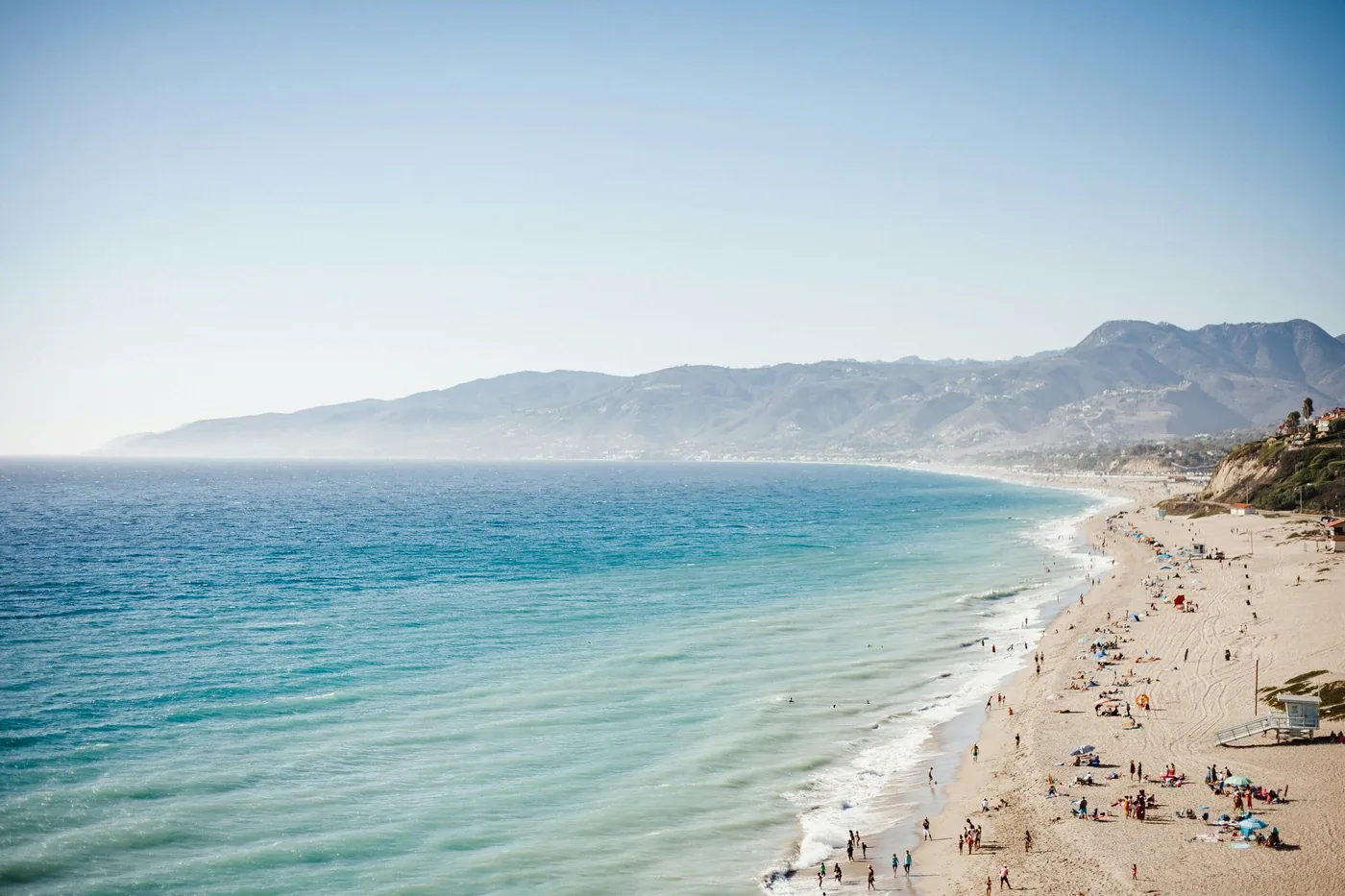
Commercial Roofing in Malibu, CA
Service Areas · Thousand Oaks, CA
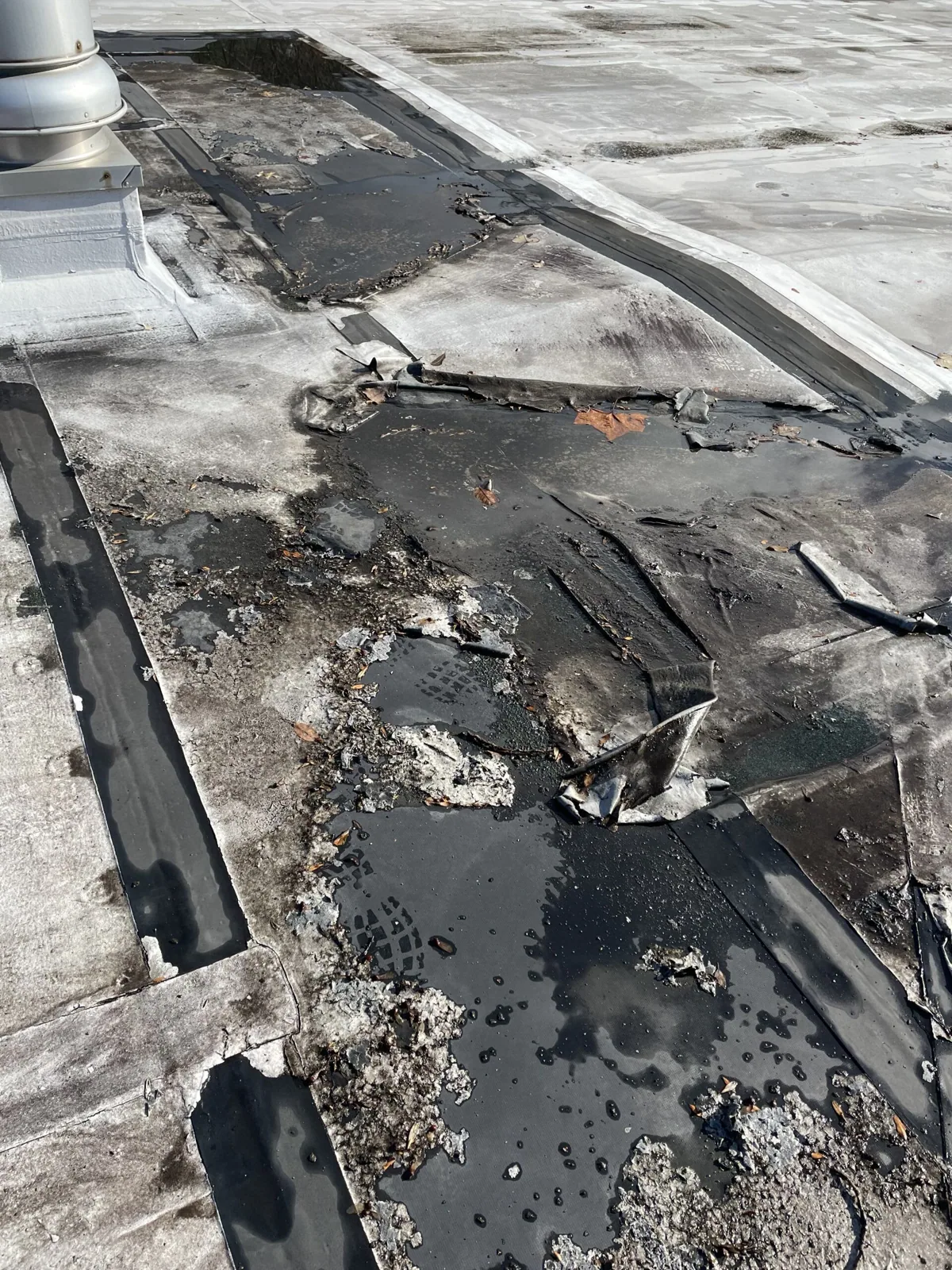
Finding: white salt bloom on the fastener heads along a metal ridge cap, rust-colored runoff streaking below the cabinet of a rooftop unit, and a pitted edge flashing whose coating has failed at the lower lip. In Malibu, CA that entry is the signature of a coastal roof, and it changes the planning horizon because metal and equipment age here by a different clock than they do inland. The membrane in the field may be in fair shape while the fasteners, edge metal and equipment housings are already spending their service life. The report treats those as separate assets with separate dates, so that a budget never gives the metal the same horizon as the membrane beside it.
Malibu
Service Areas
Call our team
Written findings and options
Thousand Oaks, CA
Ventura and Los Angeles counties
Salt: 21 miles of shoreline and the metal above it
Salt air affects metal roofing and rooftop equipment along Malibu's 21 miles of Pacific shoreline, where the climate is coastal Mediterranean. On a first walk that has practical weight. We probe fastener heads and washers for corrosion, look for blistering where the coating on edge metal has been breached, check the cabinets and bases of rooftop units, and examine the underside of metal panels at laps where trapped moisture and salt work together. Even on a single-ply membrane roof, the metal accessories around it are the first components to show distress.
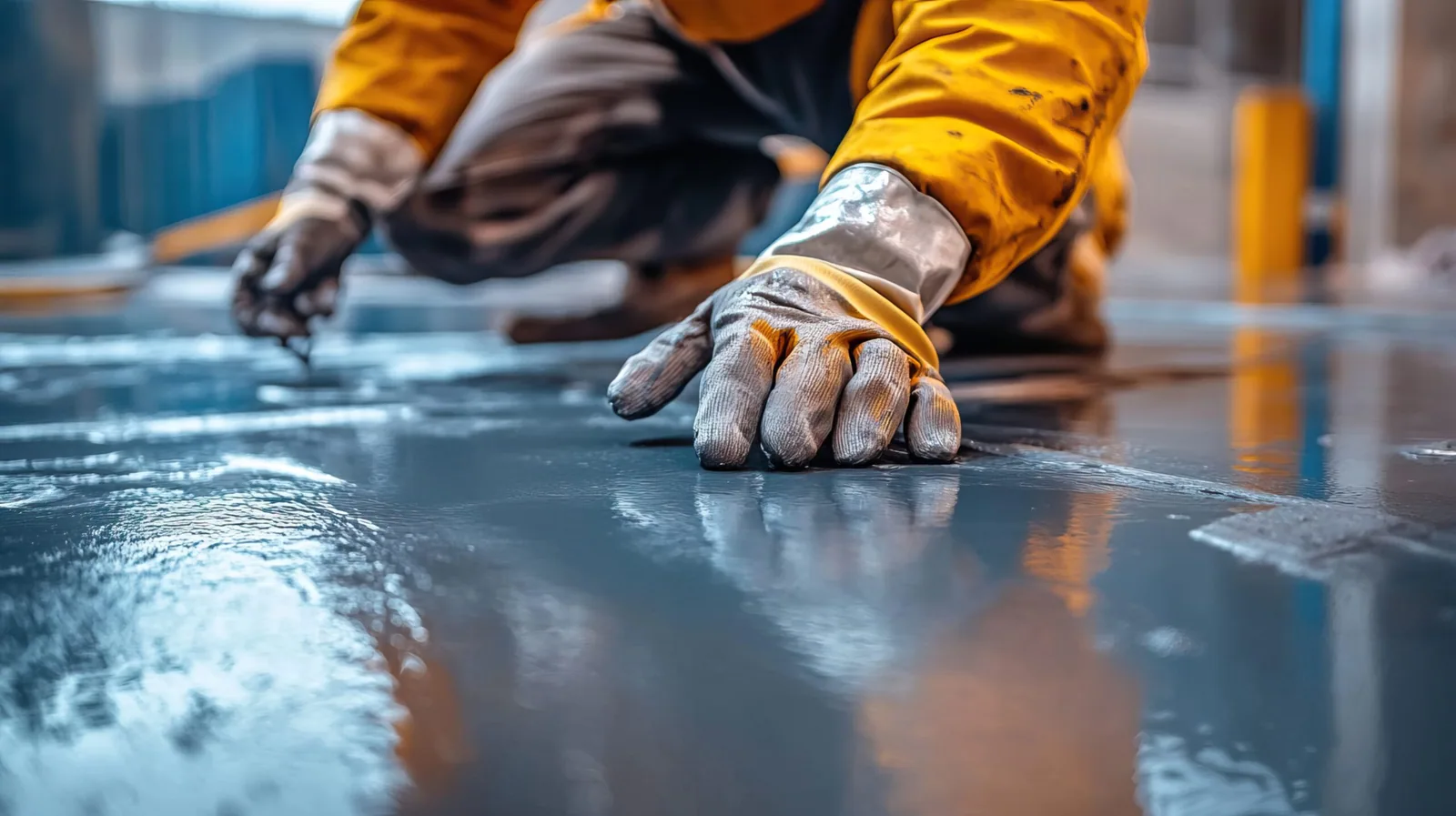
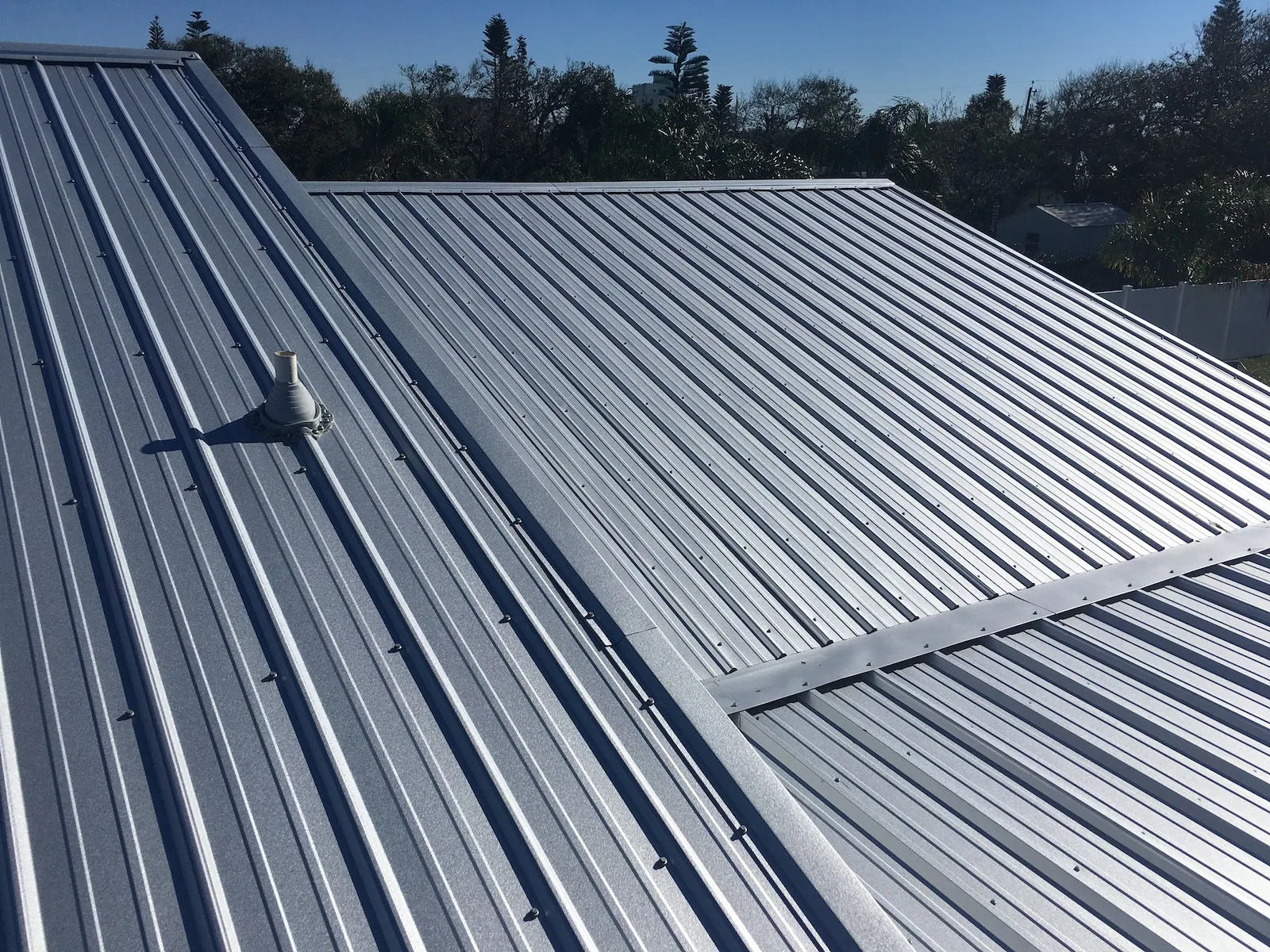
The options follow from what we find. Corroded fasteners can be replaced with coated or stainless hardware, edge metal can be renewed in a more resistant finish, and a sound surface can be cleaned and protected by a silicone roof coating. When a metal roof is far enough along that fastener replacement will not hold, a metal roof retrofit over the old panels can restore the weather barrier without a full tear-off. The survey records each choice with a remaining service life, so the owner can pick the one that fits the building's horizon.
Fire: the Woolsey and Palisades years
The 2018 Woolsey Fire and the 2025 Palisades Fire both burned in Malibu. Across the wider fire area, Woolsey consumed 96,949 acres on Santa Ana winds of 50 to 60 mph and destroyed 1,643 structures, so roofs here carry a real exposure to embers and ash. A building that came through without a visible burn still carries questions. Embers may have lodged in parapet corners or behind rooftop equipment, heat may have blistered a membrane without breaking it, and ash can lie in drains and at the base of every curb.
After a fire, our survey records each of those conditions in a dated, photographed report that an insurer, a lender or a buyer can rely on. We separate fire loss from age, which matters in a claim, and we write the scope for the repair or replacement so it can be priced and approved. Owners should start the roof insurance claim paperwork early, because documentation is easiest when the roof is still as the fire left it. Ember resistance should also be part of any new assembly, the same priority that drives fire damage roof repair after a loss.
Employers: HRL Laboratories and Pepperdine
HRL Laboratories, formerly Hughes Research Laboratories, is the largest employer in Malibu, and Pepperdine University has been on its Malibu campus since 1972. A laboratory and a university campus make different demands on a roof, and neither is easy to inspect from the street. Before choosing a method, we ask what is under each roof: instruments that cannot get wet, classrooms that keep a schedule, equipment rooms with controlled conditions and offices with a calendar. Those answers set the order of work.
For a research tenant, the plan prioritizes continuity and clean access. For a campus, it follows academic breaks and the paths students use. In both, the report is written for a facilities office that will pass it to a finance reader, so each roof section carries a condition index and a replacement horizon. A campus owner weighing college and university roofing needs that format, and so does a research-and-development owner comparing roofs across buildings.
Highway: Pacific Coast Highway and the delivery window
The Pacific Coast Highway, State Route 1, is Malibu's main thoroughfare and carries about 40,500 vehicles a day at the summer peak. For a roofing project, that number sets the delivery calendar. Cranes, hoists, dumpsters and material trucks all arrive on the highway, and a lane closure or a slow approach can cost a crew hours. We plan lifts and deliveries for the hours when the road is lightest, stage material on site rather than on the roadside, and confirm access before pricing the work.
The same logic applies to staffing and emergency response. A leak over a lab or an office does not wait for traffic to clear, so the emergency plan names a response path in advance and lists what temporary protection will be carried. Owners who manage several buildings along the coast and inland can group them in a single multi-site roof program, using one baseline format and one ranked list across all of them.
Wind and code: Santa Ana days and the 2025 provisions
Santa Ana winds are dry offshore winds that can exceed 40 mph and drop relative humidity below 10 percent, and in Ventura and Los Angeles Counties they are noted for channeling through passes and damaging structures. That makes edge metal, coping and rooftop equipment the usual points of failure. We pull and test perimeter fasteners, check the seal at parapets and note any loose panels or conduit, so a gust does not find the weak point first. The wind damage roof repair scope that follows a major event begins from the same record.
The 2025 California Building Code has been in effect since January 1, 2026, and permit applications from that date forward answer to an Energy Code whose nonresidential updates reach roofing and cool roof standards. A replacement planned now picks up those provisions, and the survey flags the sections where it will. For owners comparing coastal property with buildings in Westlake Village or Agoura Hills, the code line sits beside the exposure line on the same page of the report.
Coastal roof records should note the metal type, coating condition, fastener material and any locations where dissimilar metals meet. After a wind or fire event, inspect the edge and penetrations for displacement, then clear debris from drainage paths before rain returns. The survey should also distinguish corrosion at exposed hardware from membrane deterioration; the two conditions call for different repairs and schedules. For properties with research, campus or office uses, coordinate access with the operator and verify which equipment can be isolated before lifting membrane or flashing. An owner comparing buildings in Malibu, Westlake Village and Agoura Hills can use a shared report format while keeping each site’s coastal or inland exposure in its own record.
Commercial Roofing Questions
Does salt air shorten the life of a flat roof?
It shortens the life of the metal on it. Fasteners, edge flashing and equipment cabinets corrode before the membrane does, so each is dated separately.
Which fasteners suit a coastal metal roof?
Coated or stainless hardware with sealing washers. The survey notes where existing fasteners have already begun to rust so they can be replaced in sequence.
What should an owner document after a fire that spared the building?
Drains, parapet corners, curb bases and the membrane surface. Ember marks and heat blistering can be found even when nothing burned through.
How does Pacific Coast Highway traffic affect roofing schedules?
It controls deliveries and lifts. We schedule trucks for light hours, stage material on site and confirm access before the price is set.
Can a laboratory roof be worked on while instruments stay in use?
Generally yes, with zones, containment and protected intakes. The plan puts the most sensitive areas last and keeps a dry-in ready at each shift end.