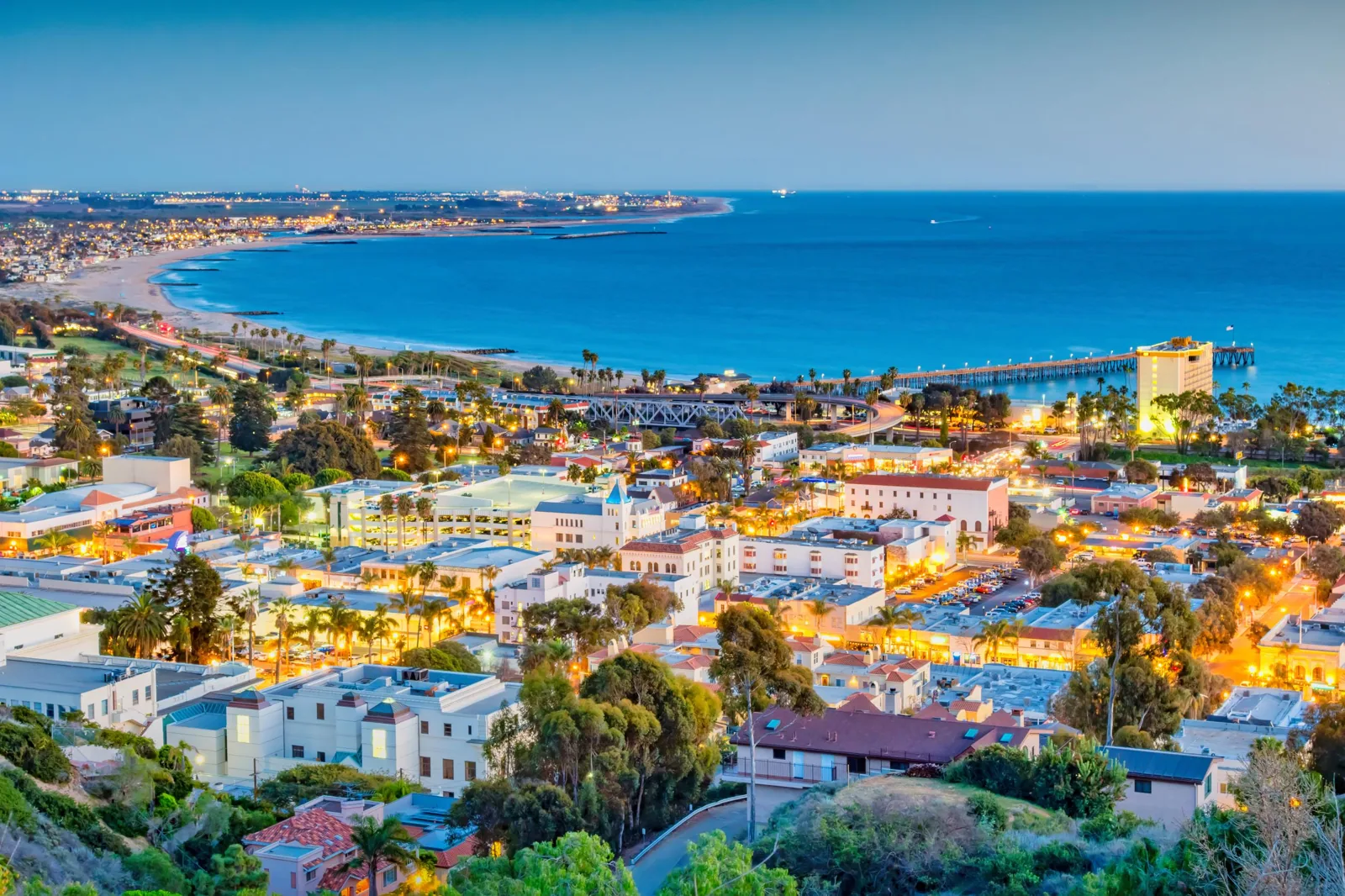
Commercial Roofing in Ventura, CA
Service Areas · Thousand Oaks, CA
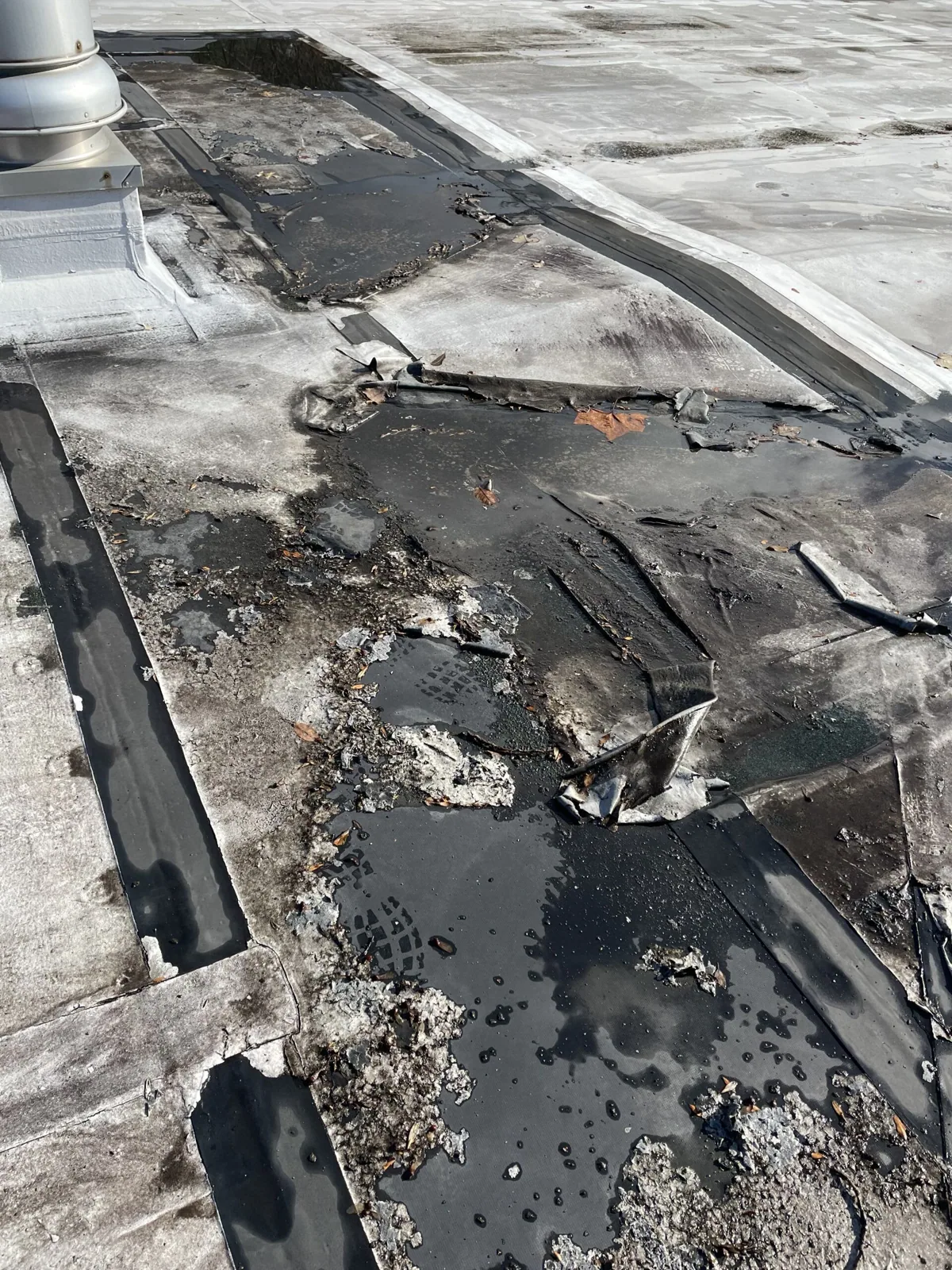
Finding, institutional roof off US 101: a membrane that is sound across the field but open at nearly every flashing, with sealant layered over older sealant at the curbs and drain bowls that hold a skin of silt after each storm. It is the kind of entry that turns up on buildings that serve the public year after year, and Ventura has a long list of that kind of owner. The County of Ventura, Ventura Unified School District and Community Memorial Health System are among the city's largest employers, and Patagonia keeps a sizeable operation here too. Organizations of that kind run their buildings on a budget cycle, and someone in each wants a roof number before money is committed. For a manager carrying Ventura, CA buildings, the useful first step is a baseline survey that ranks every roof by remaining service life, so the next repair and the next replacement are planned instead of discovered.
Ventura
Service Areas
Call our team
Written findings and options
Thousand Oaks, CA
Ventura and Los Angeles counties
Institutions: roofs that answer to a budget cycle
A county government, a school district and a health system do not own the same buildings, but they ask the same questions of a roof: how much life is left, what will it cost to carry it to the end, and when does carrying it stop being cheaper than replacing it. We answer those questions with a hands-on walk of every section, a record of membrane condition, seam and flashing findings, and a check of whether drains and scuppers are clear and sized for the water they carry.
School roofs add a calendar problem. Heavy work waits for the weeks with empty classrooms, so scope decisions have to be made months ahead of the bid, and a survey taken in the spring gives the district time to make them. The same discipline applies to administrative buildings that stay open all year, where noise, fumes and rooftop access are sequenced around staff. Owners comparing options for school roofing or for public agency roofs usually find that a single prioritized scope, written once and revisited each year, reduces emergency spending more than any single repair does.
Outpatient: a 50,000 square foot clinic off the 101
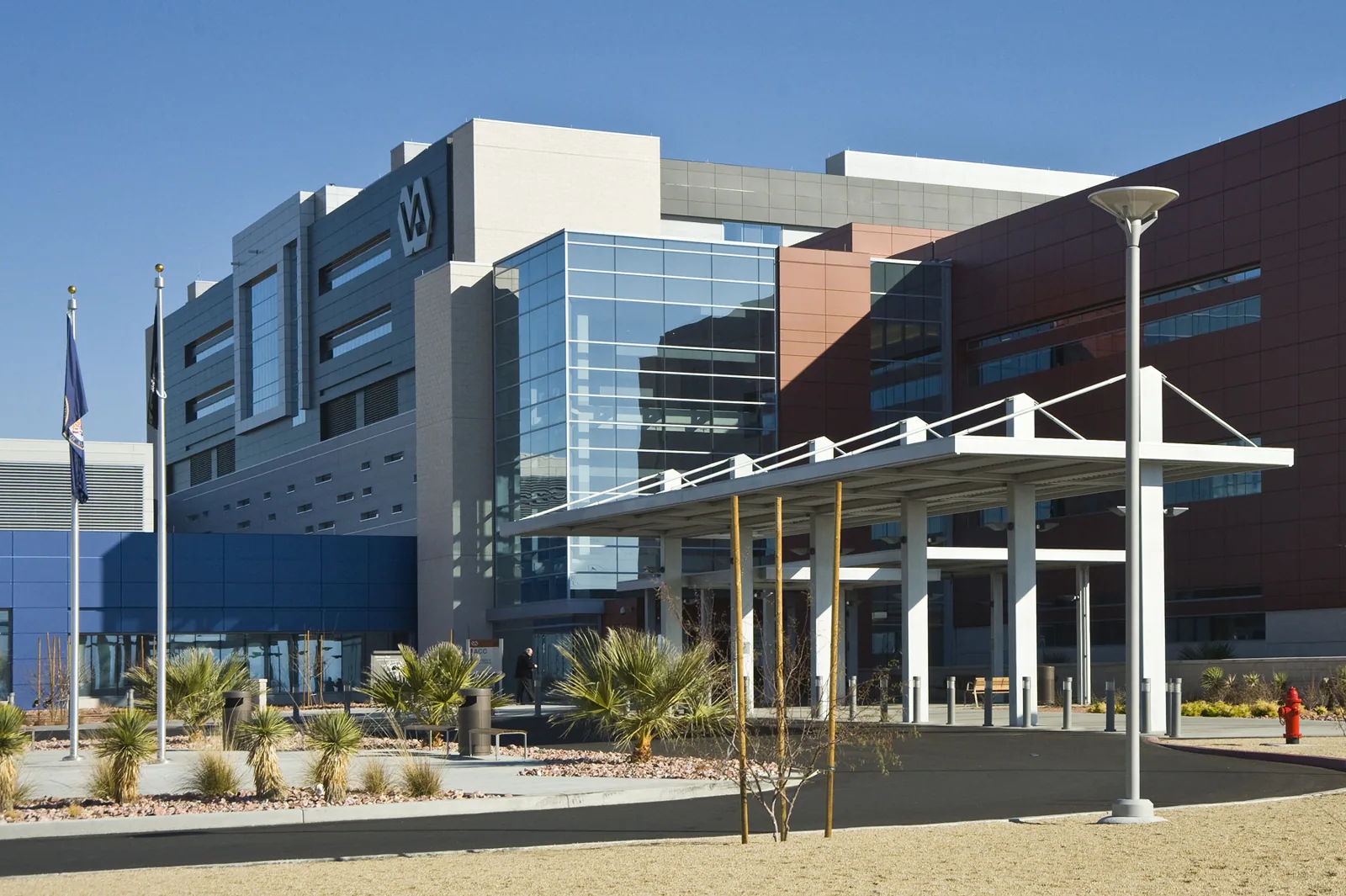
Ventura includes a VA outpatient clinic, which belongs in the city’s public-facility roof inventory alongside schools and healthcare properties. It offers primary care, dental, physical therapy, imaging, mental health and women's health, and that mix says something about the tolerance for water overhead. A leak above an imaging room or a dental suite interrupts care in a way a leak over a storage bay does not, so the roof over a clinic is judged on consequence as much as on age. What we look for on any outpatient roof is the condition of the penetrations that serve exhaust and medical gas runs, the integrity of the perimeter flashing, and whether anything under the membrane is holding moisture.
Where a moisture survey is warranted, infrared scanning at dusk shows saturated insulation without cutting the roof open. Federal and leased facilities add their own access rules, badging and scheduling windows, and we plan for them before a crew mobilizes. Owners and tenants responsible for VA clinic and medical center roofs should also confirm in writing who carries the roof obligation, since a long lease can leave that question open until the first leak.
Thomas Fire: ash, embers and what the roof still carries
In 2017 the Thomas Fire began near Santa Paula and went on to destroy at least 1,063 buildings in Ventura County and Santa Barbara County, burning 281,893 acres under Santa Ana gusts up to 70 mph. The city of Ventura was significantly affected. A roof that stood through that event can look fine from the parking lot and still carry the record: ember pitting on a single-ply surface, ash packed into drain sumps and gutters, edge metal that moved in the gusts and never fully reseated, and sealant that has crazed under repeated exposure.
Findings of that kind are cheap to fix when they are found early and expensive when a winter storm finds them first. We scrape and photograph the drain bowls, pull test the perimeter, and look at every transition where wind could have gotten under a membrane edge. Owners who file with an insurer need the same record in a different form, with dates, locations and photographs that connect each defect to an event. The sequence is the one behind fire damage roof repair and wind damage roof repair: find the defect, photograph it, tie it to the event.
Options: restore, recover or replace, and what moves the cost
Once the findings are in, the choice for each roof comes down to three paths. A coating can extend a membrane whose seams are sound and whose insulation is dry, which is the case where roof coating restoration is worth pricing. A recover places a new membrane over an existing roof that tests dry. A full replacement removes the old system, and it becomes the only sensible choice when the survey shows wet insulation across more than a small share of the area. Each path has a different horizon, and the horizon is what a reserve study needs.
Cost moves with a few variables on every roof: the share of insulation that is wet, the count of penetrations and curbs needing new flashing, the way water leaves the roof, and how tightly the building can be worked around its occupants. Permit paperwork for a replacement now runs through the 2025 California Energy Code, whose nonresidential changes reach roofing and cool roof standards, so the scope gets checked against it early. A reflective membrane or coating, specified through cool roof installation, may be part of the answer there.
Rainfall varies across the region. Newbury Park averages about ten inches a year, while Oxnard, on the wetter coastal side, gets about 15.6. Rather than assume either number for a Ventura roof, we measure how the roof drains on the day we are on it. Owners with buildings in Oxnard can add those roofs to the same program, so one schedule serves the whole coastal run.
Response: the 101 corridor and a call at any hour
US 101 is the primary thoroughfare through Ventura and the main commercial corridor through Thousand Oaks. A city service-area assignment should identify the actual property and permit jurisdiction before dispatch, then record access and operating limits for that roof. A temporary dry-in is the first goal on any active leak, followed by a written record of what failed and what the permanent repair needs to be. Owners who also hold property along the Santa Clara River in Santa Paula can fold it into the same schedule.
Commercial Roofing Questions
Does a roof that came through the Thomas Fire need a fresh survey?
Roofs in an affected area deserve a baseline whether or not they leak today. We look for ember pitting, ash-clogged drains and displaced edge metal, then write down what we find. That record helps with a future insurance claim, a sale or a budget request.
How is a clinic roof worked on while patients are still being seen?
Work moves in small zones, each dried in before the crew leaves. Noise and odor-producing steps are scheduled with the clinic manager, and exhaust intakes are protected before any hot work begins.
Which roof goes first, the school building or the office building?
Whichever shows less remaining service life and carries a higher cost if it fails. The survey ranks them on those two measures, so the order comes from the findings and not from the calendar.
Do the 2025 energy code changes apply to a repair?
That turns on the permit. Applications filed from January 1, 2026 forward answer to the new Energy Code, and its nonresidential updates reach roofing, so we raise the question before the bid is priced.
Can a crew respond in Ventura after hours?
Dispatch runs through the night, weekends and holidays. A crew arrives to make the roof watertight, and the permanent repair is scheduled once the findings are written up.