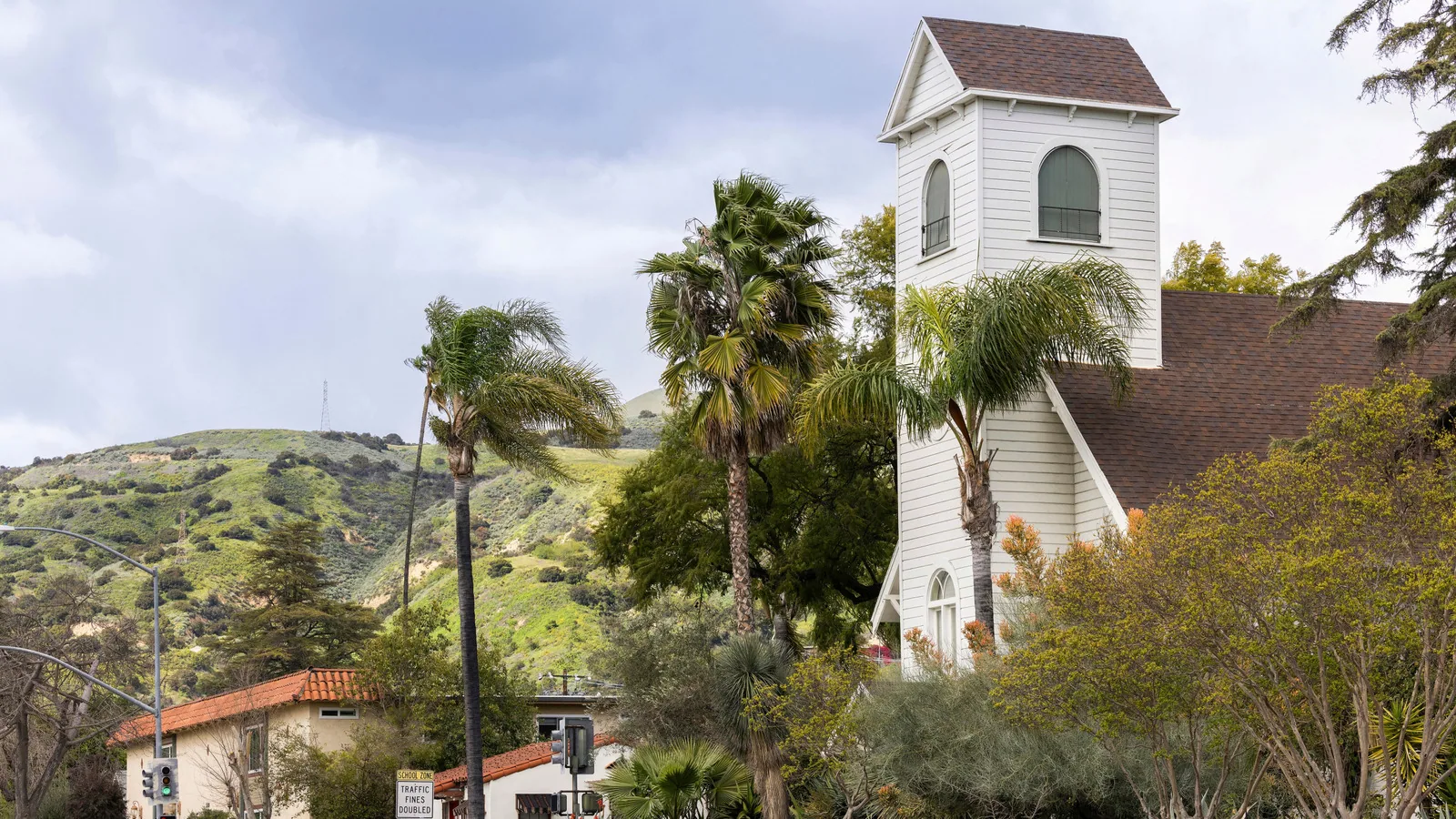
Commercial Roofing in Fillmore, CA
Service Areas · Thousand Oaks, CA
Register entry, district classroom block: hairline separation where the membrane meets a wall flashing, patched twice with mastic and open again at the same joint. We expect that finding wherever a roof has been maintained one leak at a time, and the owner in Fillmore who reads it usually has two questions: how much life is left in the system, and what the repair history says about the next five years. Fillmore Unified School District is the city's single largest employer, and the local economy rests on orchard farming and packing for oranges, lemons and avocados, so classroom roofs and packing-building roofs are the two stocks to read first. Our work for a Fillmore, CA owner is to put a condition number on each roof and convert it into a plan that fits a budget cycle.
Fillmore
Service Areas
Call our team
Written findings and options
Thousand Oaks, CA
Ventura and Los Angeles counties
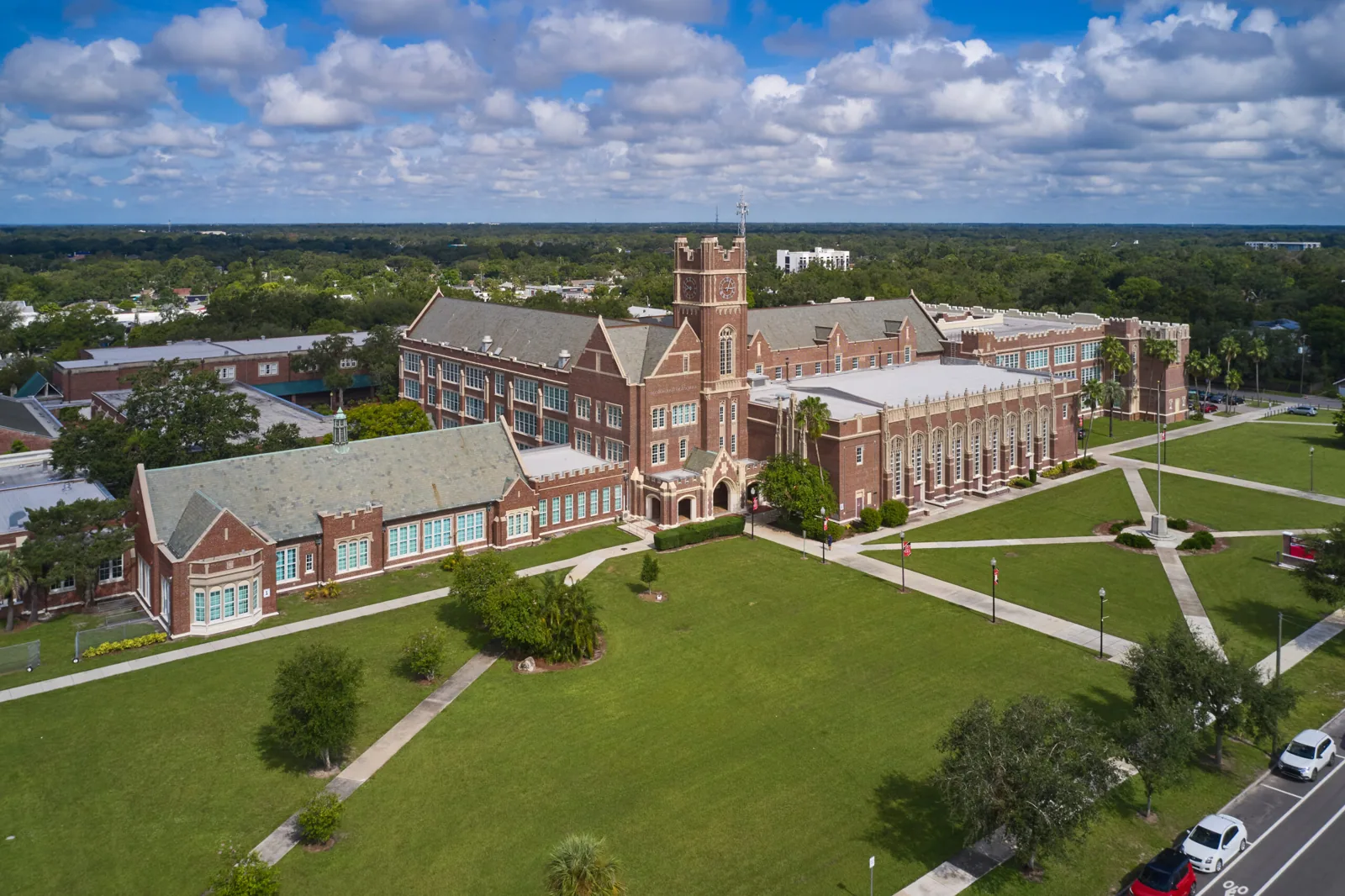
Schools: classroom roofs and the summer window
A school district roof is planned backward from the calendar. Heavy work belongs in the weeks when classrooms are empty, which means the survey has to be finished in the spring, the scope approved, the bid awarded and the material ordered before the last bell. A district that waits for a leak in October has already lost its best window, and the repair that follows is a patch that has to hold until the next summer. A baseline walk of every classroom wing, gym and multipurpose building lets the district rank its roofs and spread replacements across several budget cycles, instead of absorbing three in one year.
On the roof itself, we record flashing at walls and parapets, the condition of seams, the state of drains and the number of penetrations added by later equipment. We also note which areas are walked on regularly, since traffic from maintenance staff wears a membrane faster than weather does. Districts that manage a large inventory do best when each roof carries a condition index that follows it from one year to the next, the habit that underlies our work for school districts and on school roofing generally.
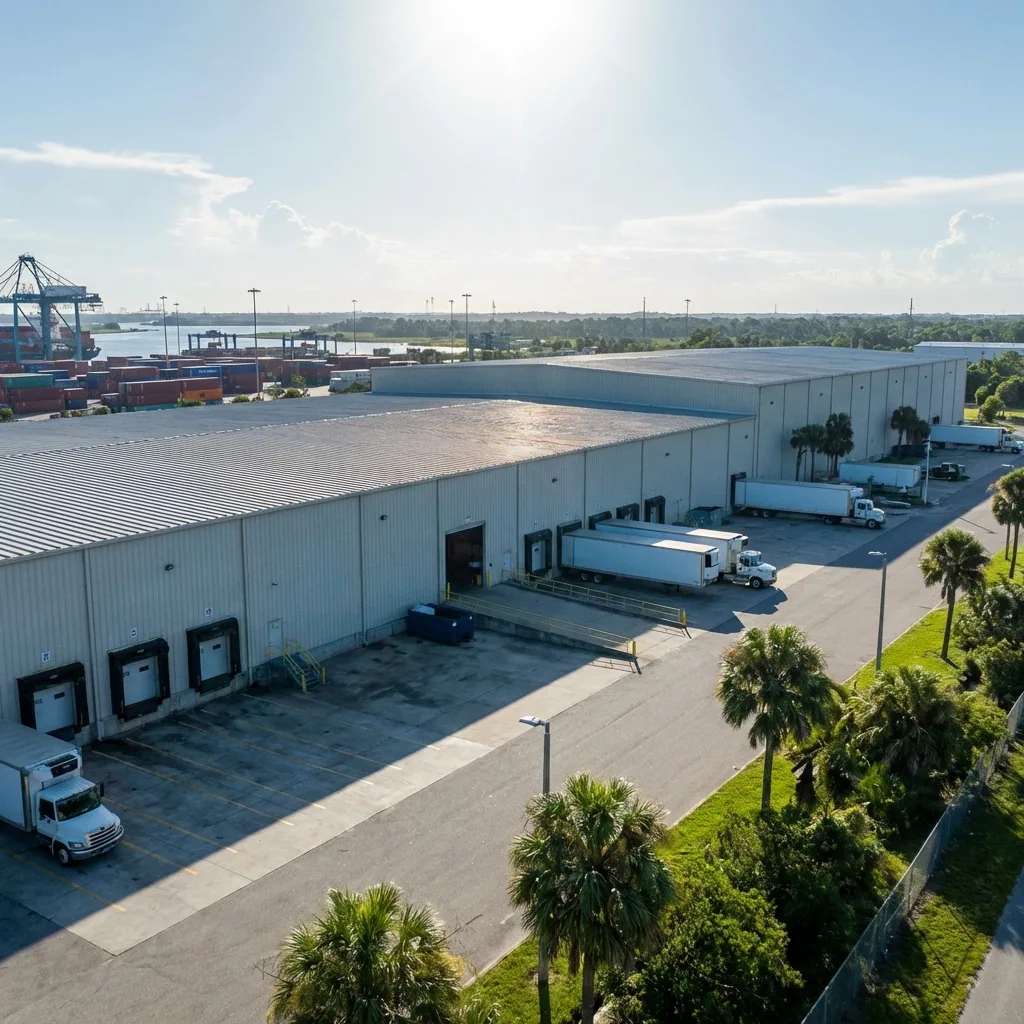
Packing: buildings where a leak reaches product
Orchard farming and packing for orange, lemon and avocado crops give Fillmore a set of working buildings that look simple from the road and are demanding underneath. Fruit, packaging and equipment sit below the roof, and a leak is a loss that arrives faster than a repair order can. Whatever the roof type, we check where water enters at drains, penetrations and perimeters, and we look for condensation signs on the underside when a building is cooled or heated, since a wet insulation layer behaves differently from a dry one. Where a building includes cooled space, vapor control and insulation continuity matter as much as they do on cold storage roofing.
Seasonal operations shape the schedule. Harvest and packing periods leave little room for loud work or open roofs, so the quiet weeks are used for tear-off and dry-in, with shorter repairs held for the busy ones. Cost follows the same few drivers as anywhere: wet insulation, flashing count, drainage and access. An owner with farm-support buildings in Santa Paula, which also sits on State Route 126, or in Somis can combine surveys to reduce mobilization.
Movement: reading the 1994 earthquake in a roof survey
Fillmore properties need a current roof record that distinguishes observed movement or damage from conditions that are only suspected from building age. The relevance to a roof is not that every building here was damaged, but that some may have been repaired, some rebuilt and some left alone, and a roof file rarely records which. A building's age, framing and roof type are things we read on the roof itself, looking for evidence such as parapets that were rebuilt, walls with patched cracking that telegraphs to the flashing, decks that do not match from one section to the next, and new penetrations cut through old surfaces.
Those details matter because a roof sits on the wall and deck beneath it, and movement at the edge is where flashing and coping fail first. An acquisition team looking at a Fillmore property will want that picture before closing, and our due diligence roof surveys are built to give it: a written account of layers, defects and a horizon for replacement. Findings are cheaper to act on before a sale than after. When a roof is replaced on a building with a repair history, the edge and parapet details tend to drive the price more than the field membrane does, and pricing them from a survey keeps the bid close to the final invoice. The same survey tells an owner which sections can be restored for now and which should be budgeted for replacement in a defined year.
Valley: wind, heat and the Topatopa foothills
Fillmore sits in the Santa Clara River Valley at the foot of the Topatopa Mountains, with State Highways 126 and 23 serving the city. Santa Ana winds in Ventura County are noted for channeling through passes and causing structural damage, so edges, parapets and rooftop equipment are where uplift tends to start. Before wind season we look at perimeter edge metal, loose coping, and the securement of equipment covers and exhaust hoods, because a gust finds the weakest detail on the roof, not the average one. That principle drives every wind damage roof repair we scope.
Heat is the quieter threat. The National Weather Service has issued Extreme Heat Warnings that cover the valleys of Ventura County, and sustained heat raises membrane surface temperature and exposes weak seams. A reflective coating can lower that load on a roof that is otherwise sound, and roof coating restoration is worth pricing against a replacement whenever the survey shows dry insulation and intact seams. A replacement permitted after the start of 2026 is reviewed under the 2025 California Energy Code, whose nonresidential changes include roofing and cool roof rules, so the specification should be checked before bids go out.
A local roof survey should begin with the property’s own plans and permit records, then verify the system in the field. The report marks drainage paths, edge conditions, penetrations and repairs by section so the owner can distinguish a localized defect from a system-wide issue. Before winter rain, check strainers, scuppers and overflow outlets, and document areas where water remains after the surrounding roof dries. For buildings with limited maintenance history, take representative photographs and record the accessible assembly before assigning a replacement horizon. If work includes several buildings, keep the site-specific records separate while ranking the scopes on a shared schedule. That gives the owner a usable maintenance order and makes later inspections easier to compare.
Commercial Roofing Questions
What window does a district have for reroofing classrooms?
Summer break is the working window, so scope, bid and material order all have to be settled by late spring. A spring survey gives the board the numbers it needs in time.
Why does a roof survey ask about past earthquake repairs?
Repaired walls and rebuilt parapets change how flashing and coping behave at the edge. Knowing where those repairs are lets us check the most stressed details first.
How does the roof over a packing building differ from an ordinary storage roof?
Moisture is the central concern, both from leaks and from condensation under the deck when a space is cooled. Insulation continuity and vapor control get closer attention, and work is timed around harvest.
Should edge metal be checked before Santa Ana season?
Yes, ahead of the first strong offshore wind. Loose coping and open laps are cheap to fix on a calm day and expensive after a gust lifts them.
Is a coating a reasonable choice for an aging roof in the valley?
It can be when seams are sound and insulation is dry. A moisture scan before the coating tells us whether that is true, and a cool roof surface helps with sustained heat.