Sika Sarnafil PVC Roofing in Thousand Oaks, CA
Roofing Manufacturers · Thousand Oaks, CA
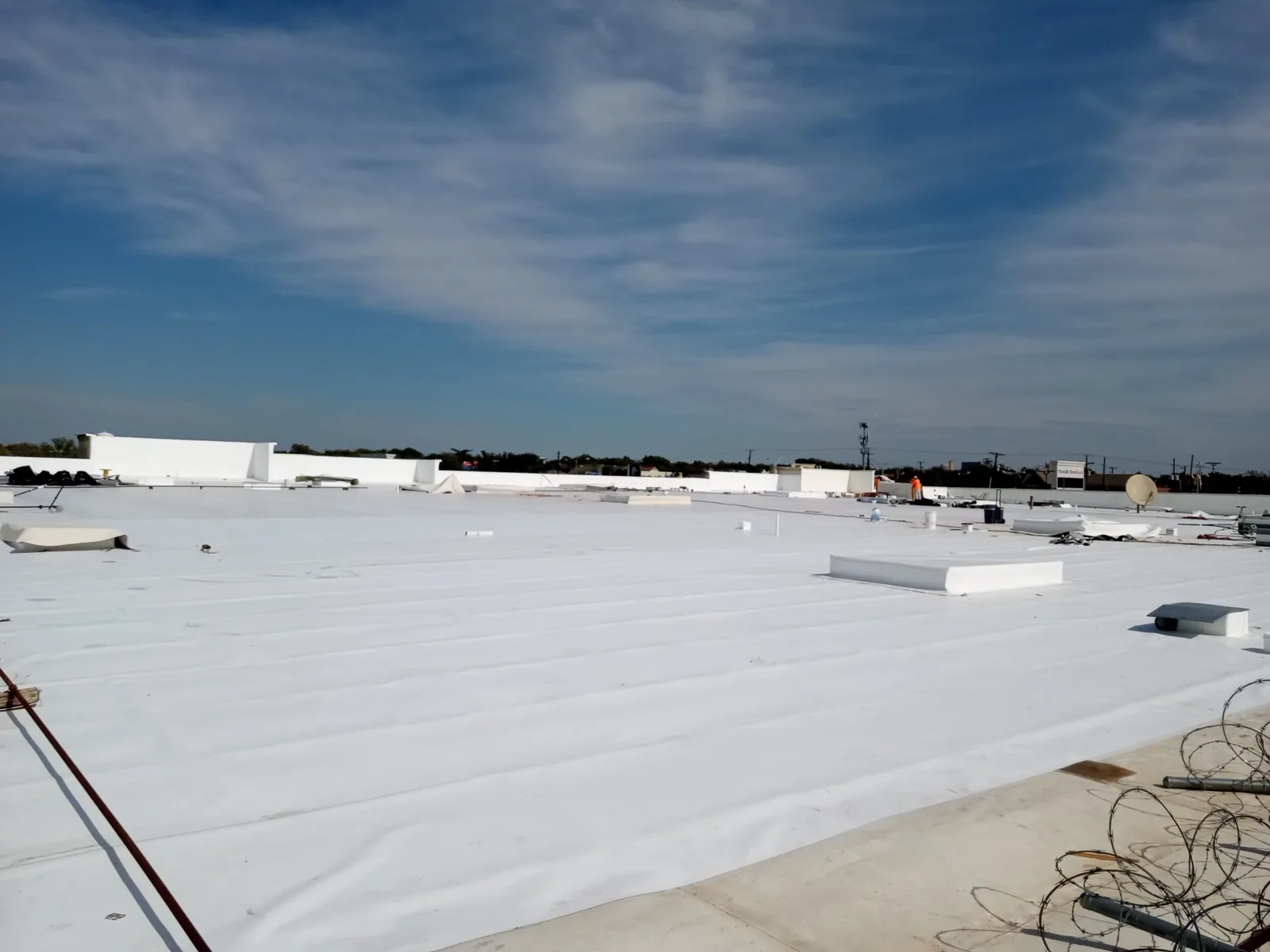
Weld probe, gymnasium roof: field laps measured at the full weld width the specification calls for, narrowing to a hairline at the inside corner of a curb flashing where the hand nozzle could not reach cleanly. On a long-span athletic or assembly roof, that is the typical pattern for a hot-air welded PVC sheet: the machine welds are consistent, and the risk concentrates in the details that people did by hand. Sika Sarnafil sells reinforced PVC membrane systems, and owners in Thousand Oaks, CA often meet them on campus buildings, coastal properties and any roof where chemical resistance and weld strength are worth paying for. The survey records where the welds are sound and where they are thin, so the repair list targets the details and leaves good field laps alone.
Sika Sarnafil PVC Roofing
Roofing Manufacturers
Call our team
Written findings and options
Thousand Oaks, CA
Ventura and Los Angeles counties
Sheet: what a Sarnafil roof is made of and how it ages
Sika Sarnafil membranes are reinforced polyvinyl chloride sheets, sold in families such as the Sarnafil G 410 and the felt-backed S 327, joined by hot-air welding so that the overlap becomes a single continuous layer. Companion products include PVC-coated metal accessories that can be welded to the membrane, adhesives for adhered installations and insulation boards made for the same assemblies. The sheet resists many chemicals and the flame-spread behavior is favorable, which makes it a candidate for kitchens, laboratories and public buildings.
Like any PVC, the sheet depends on plasticizer for flexibility, and a roof that has endured years of Conejo Valley sun can stiffen, especially where the surface is dark with dirt. We check flexibility by hand and by cutting a small sample, and we test surface weldability before any repair, because a repair weld on aged PVC without surface cleaning and a trial bead can look finished and fail within a season. Owners who also manage PVC roofing from other makers get a comparison of flexibility and weld condition across the portfolio.
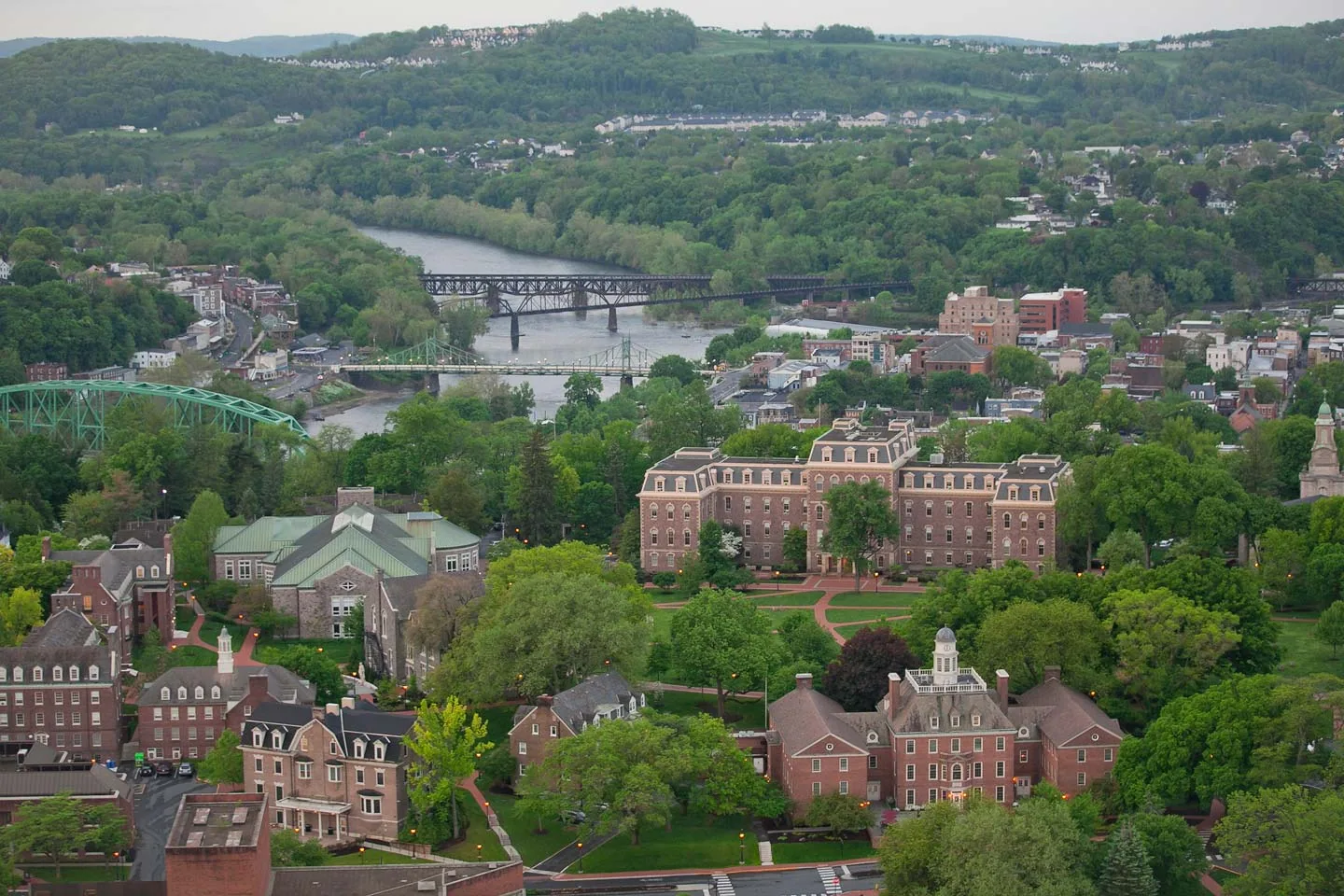
Campus: a 290-acre site with 41 buildings
California Lutheran University spreads 41 buildings across 290 acres in Thousand Oaks. Gilbert Sports and Fitness Center (96,000 square feet), Samuelson Chapel (completed in 1990) and William Rolland Stadium (opened in 2011) illustrate how the construction eras differ even within one institution. A campus is a portfolio with a single owner, a single budget cycle and a calendar that cannot be moved: the academic year, athletic seasons and commencement all constrain work.
We plan college and university roofing in summer windows when buildings empty out, and we sort the work by consequence. Roofs over classrooms, laboratories and sports halls come first, because a leak there stops a function. Storage and service buildings follow. For the buildings on the California Lutheran University campus the survey produces one ranking across all roofs, so the administration sees a single replacement horizon for the entire campus and not a building-by-building argument.
Coast: Malibu salt air and the metal that fails first
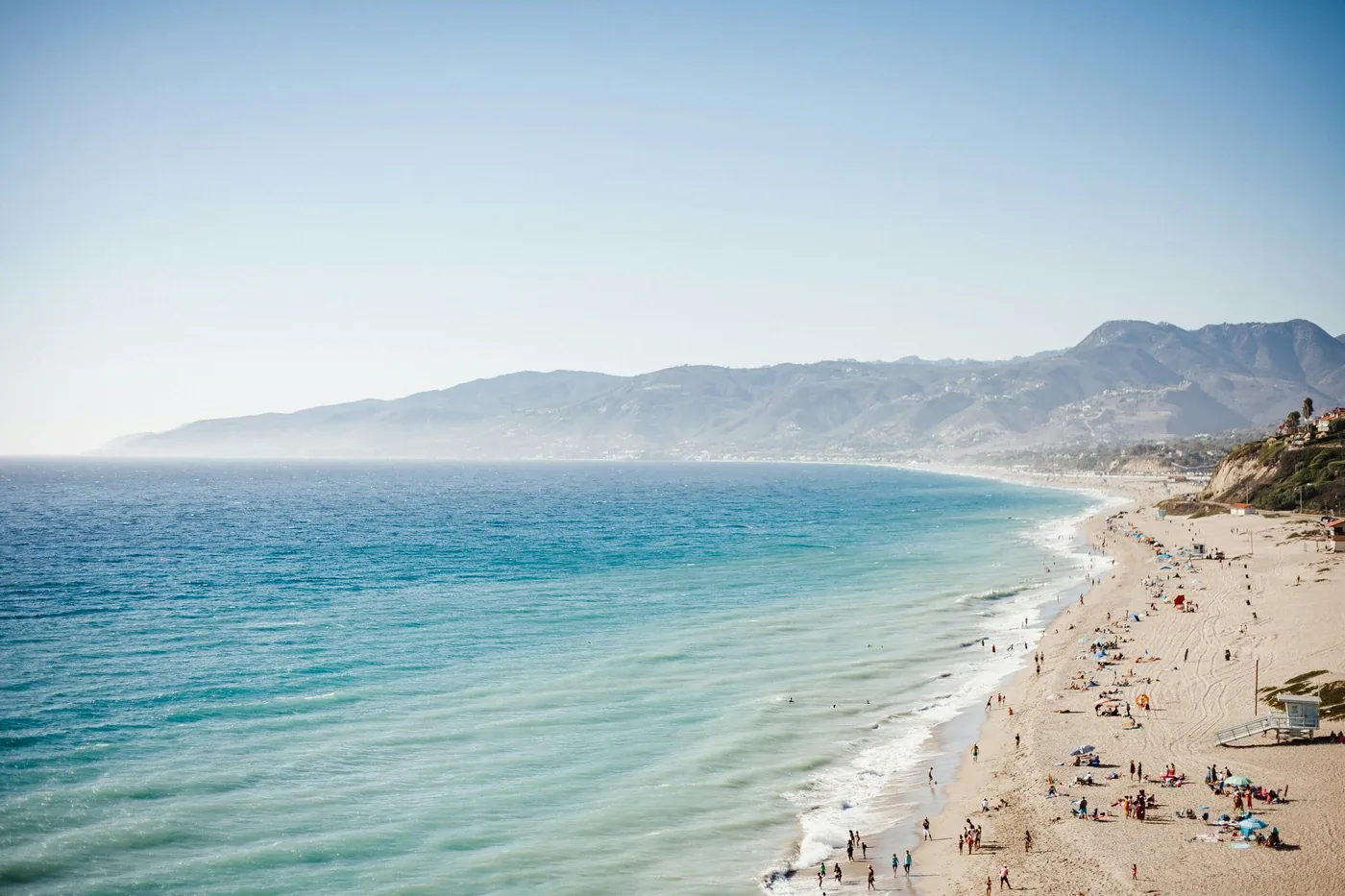
Malibu runs 21 miles along the Pacific under a coastal Mediterranean climate, and salt in the air attacks metal roofing and rooftop equipment. HRL Laboratories, the largest employer in Malibu, and Pepperdine University, on its Malibu campus since 1972, work in that same coastal air. A PVC sheet is not attacked by salt in the way steel is, so the corrosion shows up around the sheet: edge metal, coping, fasteners, equipment housings and curb flashings. The Woolsey Fire of 2018 and the 2025 Palisades Fire both burned in Malibu, which adds ash and ember inspection to the coastal list.
For roofs in the Malibu area we weight the survey toward corrosion: scratch-test fasteners, probe metal for through-rust and look at the base of every curb for staining. Specifying PVC-coated metal at the edges lets the membrane weld to the edge flashing, and the correct edge metal and coping keeps the perimeter intact through winter storms on the coast.
Seams: automatic welder, hand nozzle and the cooled probe
Field laps on a PVC roof are normally welded with an automatic machine that rides on the seam, controlling temperature and speed. Corners, boots and curb wraps are welded by hand, and the quality of those welds varies with the person holding the nozzle. We test welds only after they cool, because a warm weld can pass a probe that a cold weld will not. A continuous bead of melted material at the lap edge, called the squeeze-out, is the visual sign of a good weld, and its absence points to a test weld at that location.
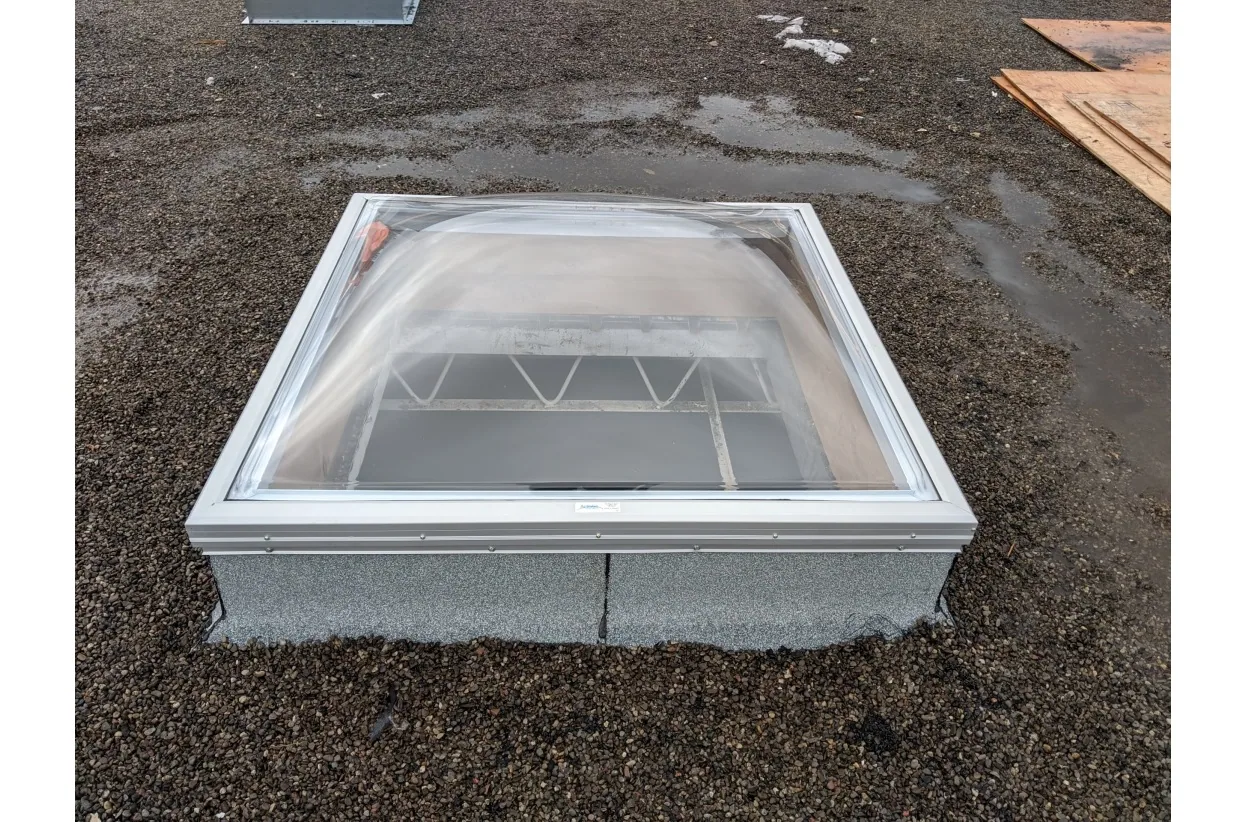
Details are where PVC roofs fail, so skylight and penetration flashing receives extra attention in the report. When a detail fails, the repair is a flashing failure repair with a prefabricated boot or corner, welded onto a cleaned surface, and the new weld is probed and photographed before the crew leaves.
Timing: wind days, dry months and the first storm
A PVC sheet is unrolled and welded in place, and an unrolled sheet in a gust is a sail. When Santa Ana winds climb past 40 mph, with humidity falling under 10 percent, the crew stops spreading membrane and secures what is down, because a lifted sheet can tear free of its temporary ballast and damage the deck beneath. Dry months give long working windows, but the same dry air carries dust that must be swept from every surface before a weld or adhesive goes on.
Winter rain is the deadline. Because most of the year's rain falls in a short season, the work is sequenced so that every section opened in a day is closed and welded before the crew leaves, and tie-ins at each day's edge are sealed against water. If a storm arrives before a project is complete, the response is an emergency roof repair visit that dries in the open areas first and leaves the permanent work for the next dry window.
Closeout: a file that follows the building to the next owner
The report lists the membrane family, the measured thickness at sampled locations, weld findings by area, the condition of every metal accessory and the moisture readings, all keyed to a roof plan. When the assembly came with a manufacturer warranty, the terms are recorded alongside the findings so that nobody adds an air handler or conduit run that voids them. Owners who are choosing between this system and Duro-Last, which fabricates its PVC sheets to the roof, weigh the two on the same cost drivers: roof geometry, detail count, access and the weather window. A portfolio comparison can include Holcim Elevate systems, with material compatibility checked before any transition is specified.
Commercial Roofing Questions
Does salt air damage a PVC membrane?
The sheet resists it far better than steel does. The corrosion appears in edge metal, fasteners and equipment housings, so the survey weights those items near the coast.
How is a gymnasium roof different from a warehouse roof?
Long spans, tall walls and a high interior that shows every drip make the stakes higher, and skylights and ventilation add penetrations. Work is scheduled around classes and athletic events.
Which part of a welded PVC roof needs repair most often?
Details at penetrations, corners and curbs, since those are welded by hand and move more with temperature. Field laps made by machine tend to hold.
How does a PVC membrane tie into a metal edge?
Through PVC-coated metal, which the membrane can be welded to. Ordinary galvanized metal cannot be welded and relies on sealant, which ages faster.
Can an older Sarnafil roof take a recover instead of a tear-off?
Often, when the insulation is dry and the sheet is sound enough to serve as a base. Core cuts and a moisture scan confirm the condition before a cover board and new sheet go on.