Commercial Roofing in Airport North, Camarillo, CA
Service Areas · Thousand Oaks, CA
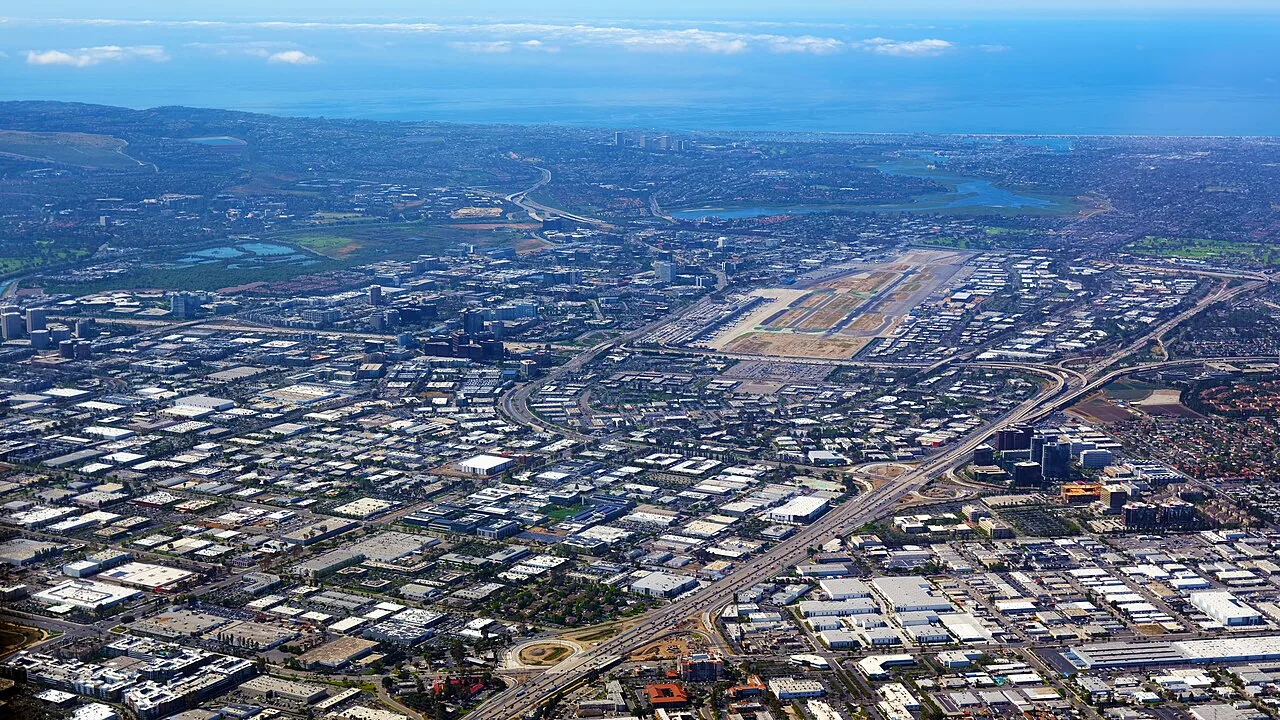
Finding: fasteners backing out along a long metal roof run, with the end-wall transition showing a separate sealant failure. On a commercial property in Camarillo’s Airport North area, the owner needs both findings attached to the right roof section before work is priced. The Airport North Specific Plan covers a broad area of commercial and industrial land north of Camarillo Airport, not the airport facility itself. We document the actual building, roof system, access limits, and repair boundary, then give the owner a prioritized scope that fits the operating schedule.
Airport North
Service Areas
Call our team
Written findings and options
Thousand Oaks, CA
Ventura and Los Angeles counties
Findings: separate the roof issue from its interior symptom
A stain below a warehouse bay, office, or service area can result from a failure several feet away. Trace the likely water path across seams, penetrations, drains, curbs, and wall transitions. Record where the membrane or metal panel changes direction, whether fasteners or terminations are loose, and which surfaces were inaccessible. A visual observation does not confirm concealed moisture or deck condition. If those questions would change the scope, identify the test or opening needed before presenting a permanent repair as settled.
Inventory: record varied commercial and industrial assets
The City of Camarillo identifies the Airport area among its industrial areas, and the Airport North plan covers 337 acres with commercial and industrial development. That does not mean each parcel has the same use or roof assembly. Assign an asset name and roof-zone label to every inspection. Record membrane or panel type when confirmed, drainage layout, edge details, rooftop equipment, repair history, and access contact. This baseline helps an owner compare buildings while keeping each condition, lease responsibility, and budget line attached to its own property.
Exposure: wind, heat, and nearby wildfire conditions
Dry Santa Ana winds can load roof perimeters, canopies, and equipment supports. The 2024 Mountain Fire burned near Camarillo and Somis during an extreme wind event. After a wind or fire incident, inspect the actual roof for displaced edge metal, lifted seams, punctures, ash or debris at drains, and exposed insulation. Do not assign regional damage to a property without field evidence. The owner should also identify any temporary cover and the date it was installed. That record helps separate emergency stabilization from permanent work and keeps a later insurance file tied to observed conditions.
Scope: compare repair, restoration, and replacement
A localized seam or flashing defect may support a repair if the surrounding material is sound. Widespread corrosion, brittle panels, wet insulation, or repeated water entry may require a wider evaluation. A coating or recover is not a default shortcut; the existing system, adhesion, moisture condition, and edge details must support that option. We state the repair limit, removal assumptions, substrate condition, and how penetrations and transitions will be handled. If a test opening is needed, include its location and close-in plan so the owner understands what the first visit can and cannot resolve.
Operations: coordinate tenants, access, and deliveries
Commercial and industrial properties may have different check-in rules, loading windows, shift patterns, and tenant responsibilities. Before mobilization, confirm who controls roof entry and who can approve work beyond the initial limit. Keep delivery routes, accessible exits, and active equipment clear. If an operator has a process that cannot be interrupted, document the restriction before staging materials or scheduling a lift. The Airport North area includes a mix of commercial and industrial land uses, so no airfield procedure should be assumed for a neighboring property. A written access plan avoids confusion between tenant responsibility and owner authorization.
Budget: price the conditions that drive the schedule
Roof area, tear-off depth, deck repair, insulation replacement, edge metal, equipment movement, fall protection, and access all affect cost and timing. Compare repair and replacement using the same measured section and scope assumptions. List exclusions such as concealed damage, interior restoration, electrical work, or crane coordination before approval. If the project will be phased, identify the weather window, tenant notice period, and temporary protection between stages. The owner can then separate an urgent leak response from capital work that belongs in the next reserve cycle.
Records: make closeout useful for the next operator
Keep photographs, materials used, repair dimensions, weather, and open items with the exact building record. Map any roof section not included in the survey so a future manager does not assume the full property was inspected. For properties near the Camarillo city area or Camarillo’s retail district, retain separate roof plans and operating contacts; proximity does not make two properties one maintenance asset. Send the property identifier, roof plan, leak history, access window, and decision date to set a baseline survey.
Geometry: inspect panels, seams, and roof edges
On a metal roof, check panel alignment, fasteners, end laps, ridge and eave transitions, and the points where wall cladding meets the roof plane. On a low-slope assembly, trace seams, drains, curbs, and edge terminations. A panel line that appears uneven should be measured and compared with support conditions before it is described as structural movement. Likewise, surface staining alone does not establish corrosion or a leak path. Record the exact roof zone, the direction of the run, and any obstruction that limits the inspection. That detail lets a second visit compare the same condition instead of starting again from a general building description.
Responsibility: keep tenant and owner scopes distinct
A business operator may control equipment or service access while the property owner controls the roof assembly and capital work. Confirm those roles before a repair is authorized. If a lease assigns maintenance to a tenant, record the clause or owner direction that sets the scope; do not infer responsibility from who reported the leak. A roof survey can identify the condition and the work needed, but the owner and tenant decide how their agreement applies. Keep approvals, work windows, and tenant-protection requirements with the affected building record. This makes closeout useful when different occupants share one plan area or when a property changes hands.
Response: stabilize before permanent repair
When water is entering, protect the interior and make the roof safe to access before pursuing the full repair. Temporary protection should be secured for the weather exposure and labeled with its installation date and limits. It does not replace a permanent scope or prove that concealed moisture has been removed. After conditions allow, return to inspect the repair boundary, adjacent transitions, and any area where water may have traveled. Separate the emergency invoice from the permanent repair estimate so the owner can see which action prevented further exposure and which work restores the assembly. Record any remaining risk and the date for follow-up. Include the lease contact and the owner representative in the final handoff.
Related scopes include Camarillo, Camarillo Old Town, commercial roof inspection, preventive roof maintenance, occupied-building reroofing, aircraft hangar roofing, metal roof retrofit, and government-building roofing. Comparing these routes helps an owner separate a citywide program from the requirements of a particular property.
Commercial Roofing Questions
Is Airport North the same location as Camarillo Airport?
No. Airport North is a city-planned commercial and industrial area north of the county airfield. The airfield and nearby properties have separate ownership, access, and roof records.
Can a metal-roof leak be priced from photos alone?
Photos can help identify the reported area, but we need to inspect the panel seams, fasteners, end walls, and drainage. Concealed conditions may change the repair limit.
How should several tenants share one roof report?
Keep one report per building and identify the tenant areas, roof sections, access contact, and responsibility assumptions. Confirm authorization with the owner before work.
What does the survey document after a wind event?
It records visible displacement, open seams, loose metal, debris, and access limits. Regional wind history is context, not proof of damage at the property.
What records help with a replacement plan?
Provide roof plans, prior scopes and invoices, leak history, tenant schedules, and any known system or warranty documents.